
Reviewed · KANCHANABURI AND RIVER KWAI DAY TRIPS FROM BANGKOK
Kanchanaburi River Kwai & Death Railway Small Group tour
The most moving part of this day is not the famous bridge. It is the contrast between the peaceful Kanchanaburi War Cemetery and the hard story behind the Death Railway. You walk through a carefully kept memorial, then see the bridge and railway built under brutal wartime conditions. I like the small group of up to nine and the chance to pair serious history with beautiful countryside. The main drawback is the long 11-hour day, with no lunch included and a JEATH Museum that may feel worn.
I also like that the tour keeps transport simple from Bangkok and includes an English-speaking guide, an air-conditioned vehicle, bottled water, and key entry fees. You get several photo stops without having to arrange a complicated trip by train or bus. Just check the final route details before departure, since the last stop is described both as Tiger Cave Temple and as the Tham Krasae railway section.
Key points to know before booking
- The cemetery sets the tone: Start with a quiet hour at Kanchanaburi War Cemetery, where Allied soldiers are buried.
- The bridge is an active place: You can walk across the Bridge over the River Kwai and may see trains using the railway.
- The history is difficult but worthwhile: The JEATH War Museum adds personal objects, murals, and written accounts to the story.
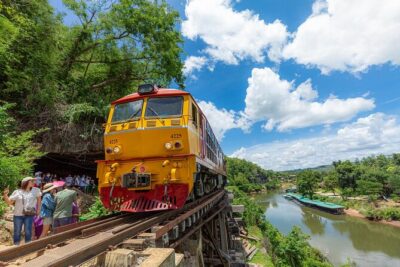
- The final stop brings the best scenery: The route includes the picturesque railway around a cliff near Tham Krasae, with a chance to watch the train pass.
- Small groups help: With no more than nine people, it should be easier to hear the guide and keep the day moving.
- Plan for a full day: The tour lasts about 11 hours, returns to Bangkok, and does not include lunch.
Why the River Kwai story matters
Kanchanaburi is often sold as a quick bridge photo, but the real value of this trip is the wider story. During World War II, the railway through the area was built under terrible conditions by prisoners of war and forced laborers. The bridge became famous through books and film, yet the cemetery and museum make clear that this was not simply an engineering project.
I find the order of the stops sensible. You begin with remembrance, move to the physical railway, then add museum material before ending among the hills and tracks. That progression gives you time to think rather than treating the Death Railway as just another sightseeing stop.
The subject matter is difficult. You will see memorials and exhibits connected to death, imprisonment, forced labor, and wartime suffering. This is not a light sightseeing day, though the scenery and open-air stops provide some balance.
More Kanchanaburi and River Kwai days:
- From Bangkok: Erawan Park & Kanchanaburi Small-Group Tour
★ 4.5 · 1,582 reviews - From Bangkok: Historical Day Tour to River Kwai
★ 4.6 · 868 reviews - Bridge on the River Kwai and Thailand-Burma Railway Tour
★ 4.5 · 658 reviews
Bangkok pickup and the 11-hour schedule
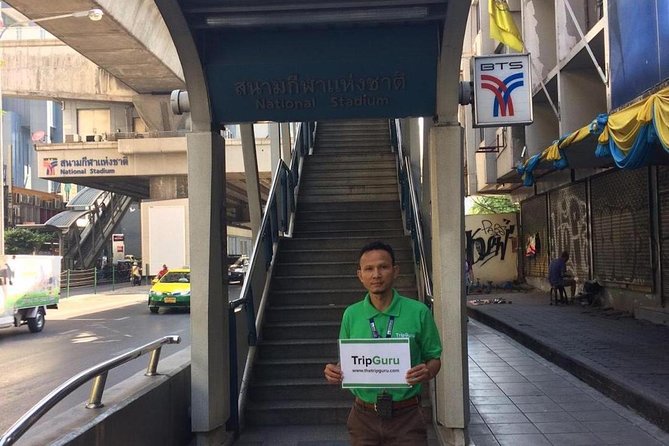
The listed meeting point is National Stadium BTS Station in central Bangkok. Hotel pickup and drop-off are also offered, but pickup is described as being available on request, so I would confirm the arrangement when you book rather than assume a vehicle will come automatically to your hotel.
An air-conditioned vehicle matters here. Kanchanaburi is outside Bangkok, and the tour covers several stops over roughly 11 hours. Having transport arranged removes the need to combine Bangkok rail, intercity transport, local taxis, and the return journey yourself.
The small-group limit is one of the tour’s strongest practical features. A maximum of nine people is compact enough for a guide to explain the sites without shouting across a large coach. It also makes short stops easier to manage, especially when you want time for photographs.
Still, this is a long day. You should be comfortable spending much of it on the road between Bangkok and Kanchanaburi. Bottled water is included, but lunch is not. Bring money or food for a meal, and do not expect a full restaurant stop to be part of the advertised package.
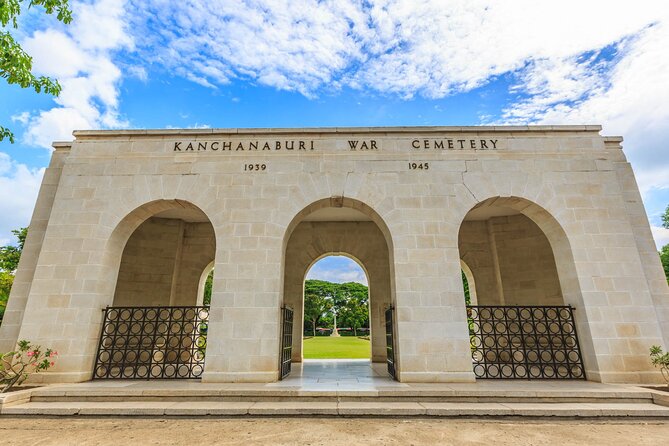
A quiet hour at Kanchanaburi War Cemetery
The first stop is Kanchanaburi War Cemetery, with about an hour set aside and admission included. This is the place to slow down. The grounds are well maintained, and the rows of graves create a calm setting for considering the human cost of the railway.
I would give this stop your full attention rather than treating it as a quick photo break. The cemetery helps you understand that the bridge and railway are connected to thousands of individual lives. A guide can provide context, but the site itself does much of the work through its silence and order.
The one-hour timing is useful. It should give you room to walk through the grounds and pause at the memorials without feeling rushed. If you are bringing children, this is also a good place to explain the subject in simple, respectful terms before visiting the more graphic or personal museum material.
Because the tour is shared, the pace may not suit everyone. Some people will want more time for reflection, while others may be ready to move on sooner. The scheduled hour offers a reasonable middle ground.
Walking the Bridge over the River Kwai
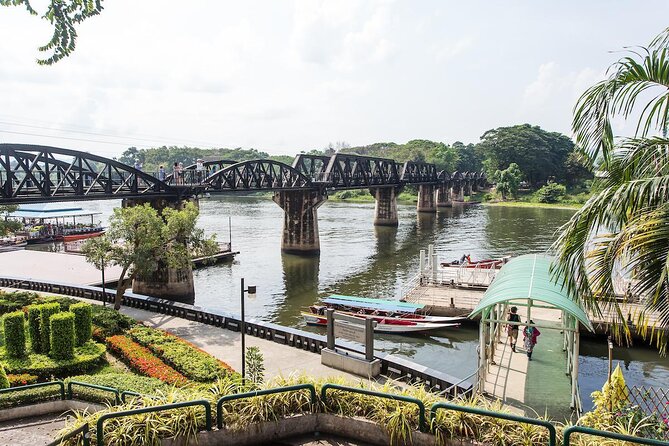
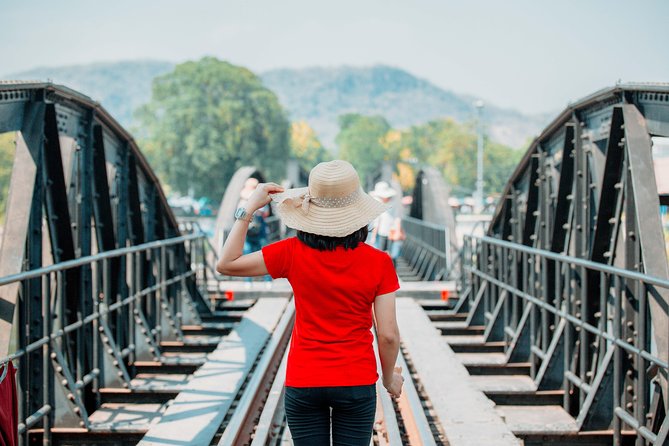
Next comes the famous bridge. The itinerary gives 30 minutes for the River Kwai stop, followed by another 15-minute bridge walk listed separately. In practical terms, expect time to walk along and across the bridge, take photographs, and look at the river below.
The bridge is not a sealed museum display. It is part of a working railway setting, which gives the visit more character but also means you need to pay attention. Stay aware of other people and any railway activity while walking.
You may also have the option of a boat visit, although the tour information does not make clear whether that is included in the price. Treat it as an optional extra unless your guide confirms otherwise.
The bridge itself is visually striking, but it can feel brief compared with the weight of the story. I would not book this day solely to collect a bridge photograph. The cemetery, museum, and railway section near Tham Krasae are what give the stop meaning.
More train and railway trips near Bangkok:
- Bangkok: Damnoen Saduak Market and Maeklong Railway Market
★ 4.5 · 26,723 reviews - The Old Siam: Damnoen Saduak and Maeklong Railway Market
★ 4.5 · 10,992 reviews - Bangkok: Train Market & Floating Market with Boat Ride
★ 4.7 · 9,547 reviews - Half-Day Railway Market and Floating Market Tour in Thailand
★ 4.5 · 3,924 reviews
What to expect at the JEATH War Museum
The JEATH War Museum is just around the corner from the bridge, with about 40 minutes allocated and a listed entrance fee of THB 50 included. Its exhibits include wartime memorabilia, murals, and written material connected to the railway and prisoners of war.
This is the stop that adds human detail. The bridge shows you the structure. The museum helps explain the people, suffering, and conditions behind it.
You should keep your expectations measured. The museum is described as run down and not especially well maintained, so it may not have the polished presentation of a major modern institution. Displays can feel uneven, and some material may be difficult to interpret without the guide’s explanation.
That does not make it pointless. In fact, its rough condition may remind you that this is a local historical collection rather than a high-budget museum. Listen closely to the guide and give yourself time to read what you can. Forty minutes is enough for an introduction, though not for a slow examination of every item.
For me, the museum is valuable because it prevents the bridge from becoming a shallow sightseeing symbol. Even if the presentation is dated, the subject deserves attention.
The railway near Tham Krasae
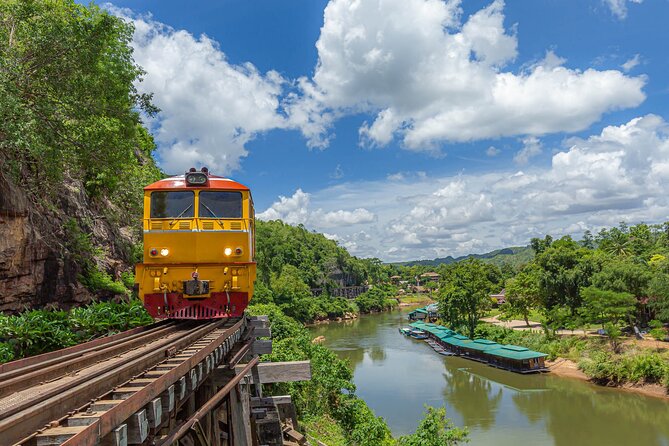
The final sightseeing section is described in two ways: the headline calls it Tiger Cave Temple, or Wat Tham Suea, while the detailed stop refers to Tham Krasae Station and a railway section that curves around a cliff. The detailed description also says you can admire the views and watch the train pass.
This is worth clarifying before you leave Bangkok. The information provided does not clearly explain whether the route visits both Wat Tham Suea and Tham Krasae, or whether the temple label is being used for the railway stop. Ask the operator to confirm the exact final stop.
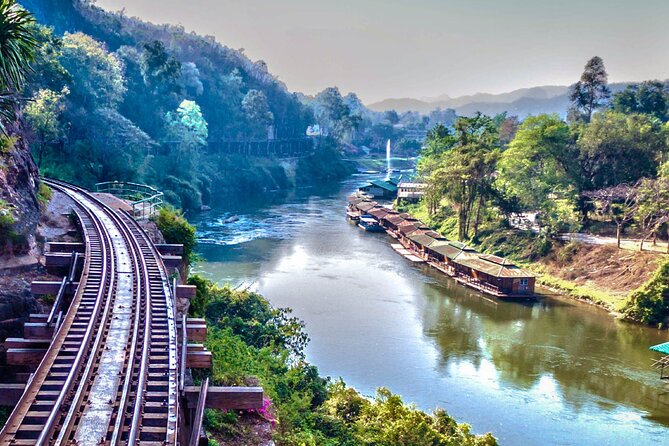
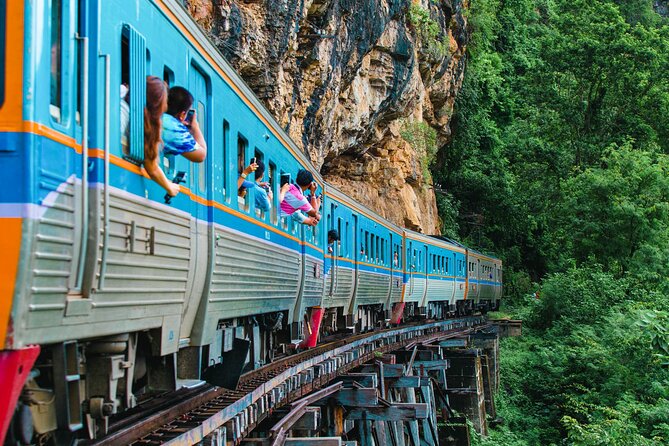
The Tham Krasae section sounds like the most scenic part of the day. The railway hugs a cliff, and the view gives you a stronger sense of how difficult the route must have been to build. The chance to watch the train pass adds movement to what could otherwise be a simple viewpoint visit.
You get about 30 minutes here. That is enough for photographs and a look at the railway, but probably not enough for a long walk or an extended temple visit if both locations are included. Wear sensible shoes and keep your expectations focused on a short scenic stop.
One especially interesting detail from the experience is the mention of a railway section where Dutch prisoners of war carved the trackway from rock. If your guide points out this area, listen carefully. It connects the scenery directly to the labor and suffering behind the railway.
The best parts of the countryside
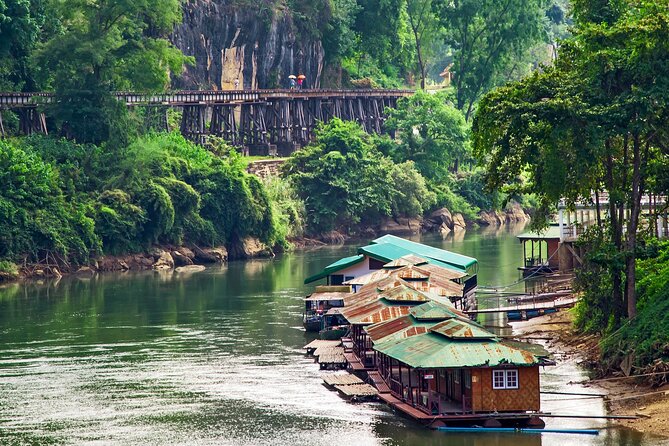
The route gives you a welcome change from Bangkok’s busy streets. You will see open countryside, the river, railway views, and hills around the final stop. These are not empty filler moments. They help you understand why the railway route was both strategically important and technically difficult.
I like that the day includes several chances to stop rather than keeping you inside the vehicle until one major attraction. The cemetery is quiet, the bridge is active, the museum is indoors, and the railway section is scenic. That variety keeps an 11-hour outing from feeling like one long museum visit.
The scenery also gives you time to reset between the more serious stops. Still, the tour is built around history, not a countryside picnic. If you want a relaxed day with long meals and unhurried time beside the river, this may feel too structured.
Is $99 a fair price?
At $99 per person, the tour is not the cheapest way to reach Kanchanaburi, but the price can make sense if you value convenience. It includes an English-speaking guide, an air-conditioned vehicle, bottled water, hotel pickup and drop-off as listed, and the THB 50 museum entrance fee.
The main value is the transport and planning. You do not have to work out how to reach the cemetery, bridge, museum, and railway viewpoint in one day. You also get historical explanation, which is especially useful at the cemetery and museum.
The price is less attractive if you are already comfortable arranging local transport or if you mainly want to see the bridge. Lunch is not included, and optional boat visits may cost extra. The final stop should also be clarified so you know exactly what you are paying for.
For a first visit to Kanchanaburi from Bangkok, I think the small group improves the value. A maximum of nine people is more personal than a large coach, and it should reduce the time lost gathering people at each stop.
Who will enjoy this day most?
I would recommend this tour to you if you want a guided introduction to Kanchanaburi and prefer not to manage the transport yourself. It suits history-minded visitors, families who want a meaningful day outside Bangkok, and anyone who wants both memorial sites and countryside views.
It is also a good match if you value a compact group. You may be able to ask questions more easily than on a large bus tour, and the guide can help explain the link between the cemetery, bridge, museum, and railway.
You may want another option if you dislike long days, have limited interest in World War II history, or need a relaxed schedule. The museum’s worn condition may disappoint visitors expecting a polished exhibition. You should also think carefully about the emotional weight of the cemetery and wartime displays.
Families can make this work, but the subject is serious. Parents should decide how much detail is suitable for their children. The well-kept cemetery may be easier for younger visitors than the museum, while older children may gain more from seeing the real bridge and railway after learning the basic story.
Practical advice for making the day better
Wear comfortable footwear. You will walk around the cemetery, bridge, museum, and railway area, and the day involves several changes of setting.
Carry sun protection and extra food. Bottled water is supplied, but lunch is not. The tour information does not specify a meal stop, so a snack is a sensible backup.
Keep your camera ready for the bridge and railway, but do not let photography take over at the cemetery. This is a memorial site first.
Ask about the final stop before departure. The information names both Wat Tham Suea and Tham Krasae Station, and those are different descriptions of the experience. A quick confirmation will prevent disappointment.
Book with the weather in mind. The tour requires good weather, and poor conditions can lead to a different date or a full refund. You can cancel for a full refund if you do so at least 24 hours before the start time. Changes or cancellations made within 24 hours are not refunded.
Should you book the River Kwai tour?
I would book this tour if you want the easiest way to see the main Kanchanaburi sites in one long day from Bangkok. The strongest features are the small group, air-conditioned transport, thoughtful mix of memorials and scenery, and the chance to see the railway near Tham Krasae.
I would not book it solely for a quick bridge photograph. The day works best when you are ready to give proper time to the cemetery and the difficult history of the Death Railway. Accept the dated museum, pack your own lunch, and confirm the Tiger Cave Temple and Tham Krasae details before you go.
For $99, the tour offers a practical, history-focused day with little transport stress. If that is what you want, it is a sensible choice.
FAQ
How long does the Kanchanaburi River Kwai tour last?
The tour lasts approximately 11 hours and ends back at the meeting point in Bangkok.
Where does the tour start?
The listed meeting point is National Stadium BTS Station in Khwaeng Wang Mai, Pathum Wan, Bangkok.
Is hotel pickup available?
Hotel pickup and drop-off are listed as included, with pickup available on request. Confirm the arrangement when booking because the stated meeting point is National Stadium BTS Station.
How many people can join the tour?
The tour has a maximum of nine travelers, making it a small-group experience.
Is lunch included?
No. Lunch is not included in the tour price.
What entrance fee is included?
The THB 50 entrance fee for the War Museum is included. The tour also includes an English-speaking guide, an air-conditioned vehicle, and bottled water.
What happens if bad weather cancels the tour?
The experience requires good weather. If it is canceled because of poor weather, you can choose another date or receive a full refund.
Newly reviewed around Bangkok
- Suvarnabhumi Airport (BKK) Private Transfer to Bangkok Centre★ 3.5 · 5 reviews
- CTB Unlimited Hop CHAO PHRAYA RIVER: All Day River Pass★ 3.5 · 50 reviews
- Nopparat’s Traditional Thai Dinner & Dance★ 4.0 · 19 reviews
- Half-Day Bangkok Off-the-Beaten-Track Tour: Rural Villages and Khlongs★ 5.0 · 40 reviews
- Half Day Bangkok Food and Sightseeing Tour★ 4.5 · 10 reviews
- The Story of Handicrafts Full Day Experience from Bangkok★ 5.0 · 3 reviews
- Chinatown (Yaowarat Road) Neon Photoshoot★ 5.0 · 12 reviews
- Nakhon Nayok adventure full day trip with lunch★ 5.0 · 20 reviews
Kanchanaburi and River Kwai Day Trips from Bangkok, compared.
Bridge on the River Kwai and Thailand-Burma Railway Tour
Read our review →
Erawan Waterfalls and Bridge Over River Kwai Tour from Bangkok
Read our review →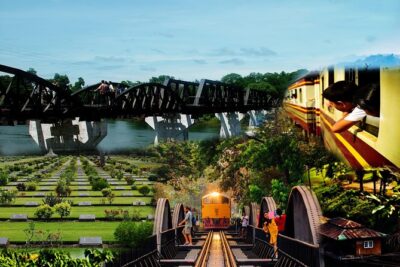
Bridge on the River Kwai and Thailand-Burma Railway Guided Tour
Read our review →
Kanchanaburi Full Day Tour: River Kwai and Erawan Falls
Read our review →
Floating Markets and Bridge on River Kwai Tour from Bangkok
Read our review →
River Kwai Day Tour from Bangkok – History, Scenery & Culture
Read our review →
Bridge over River Kwai and Hellfire Pass Tour with Train Ride
Read our review →Browse the lists this tour appears in