
Reviewed · ANCIENT CITY AND ERAWAN MUSEUM TICKETS FROM BANGKOK
The Erawan Museum: A Cultural Treasure in Bangkok
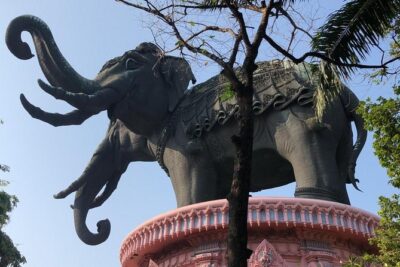
The first thing you notice is the giant three-headed elephant above the museum. It is not a small ornament or a clever roofline. The statue is enormous, and its scale only makes sense once you see it from the gardens. Inside, the building rises through three symbolic worlds: the underworld, earth, and heaven.
I like the easy BTS access and the chance to see more than a standard display room. I also like the peaceful grounds, with elephant sculptures, lotus offerings, and shady garden paths. The main drawback is that the museum can feel brief for the price, especially if you skip the darker pottery area or arrive when large tour groups fill the interior.
Key points to know
- The three-headed elephant is the main event: The building itself is the museum’s most memorable object, not merely a container for exhibits.
- Three levels carry symbolic meaning: Underworld, earth, and heaven shape the visit and give the interior a clear spiritual theme.
- BTS makes the trip simple: Get off at Chang Erawan Station, then walk about 5 to 10 minutes.
- The audio guide adds context: Information is advertised in English, Chinese, Russian, Thai, and Korean, though the ticket details specifically list English and Chinese service.
- The gardens extend the visit: Elephant figures, lotus offerings, and quiet outdoor spaces make this more than an indoor museum stop.
- Allow about 30 minutes for the core visit: You can stay longer, with the booking time range listed as 30 minutes to 10 hours.
Why the elephant makes this museum different
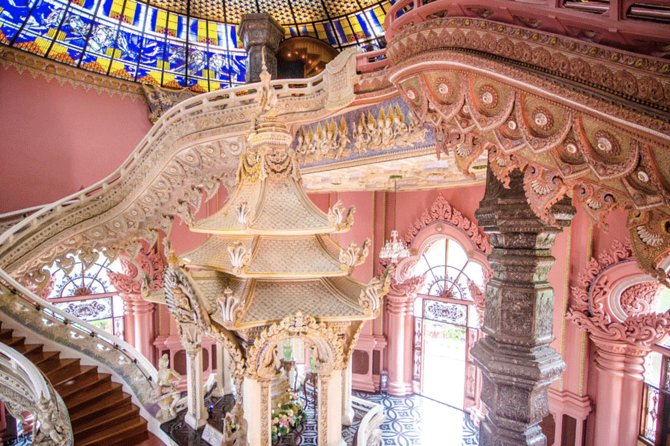
Bangkok has no shortage of temples, palaces, and museums. The Erawan Museum gives you something quite different: a museum housed inside a monumental elephant. The three heads belong to Erawan, the mythological elephant associated with Hindu and Buddhist traditions, and the structure was created to teach about Thailand’s culture, art, and past.
You first experience the museum from outside. The statue rises above the grounds and gives the entire place a theatrical quality. A photograph can show the shape, but it does not convey the size. The elephant’s legs, belly, and heads create an unusual sense of scale, especially when you walk close to the base.
I would not treat this as a conventional museum where the collection is the only reason to go. The architecture is the star. The objects inside matter, but the building gives them a setting that is unusual, symbolic, and easy to remember.
More Ancient City and Erawan Museum tickets:
- Private Guided Day Tour to Erawan Museum & Ancient City
★ 4.5 · 25 reviews - Ancient City (Mueang Boran) Entrance Tickets With Hotel Transfer
★ 4.5 · 14 reviews - Muang Boran : Ancient City of Samut Prakan Tour from Bangkok
★ 3.5 · 11 reviews
Getting there by BTS from central Bangkok

The museum is in Samut Prakan Province, which can sound far away when you are planning from central Bangkok. In practice, the BTS Skytrain makes the journey fairly straightforward. Ride to Chang Erawan Station, then walk roughly 5 to 10 minutes to the entrance.
That route is important because road traffic can make a short map distance feel much longer. The train avoids the uncertainty of a taxi ride in heavy traffic, and the station puts you close enough to finish on foot.
Transportation is not included in the admission price, so you pay for the BTS or taxi separately. If you use a taxi, allow extra time for traffic. If you use the Skytrain, you can plan the visit more cleanly and pair it with an afternoon outing in the Samut Prakan area.
The museum is open daily from 9 a.m. to 7 p.m. The late closing time is useful. You do not need to spend half a day here, and an afternoon or early evening visit can fit around a full day in Bangkok. The interior may feel cool compared with the outdoor heat, so carry something light if you are sensitive to air conditioning.
At the entrance, take in the full structure first
Do not hurry straight indoors. Walk around the front and look up at the elephant from different angles. The surrounding grounds include smaller elephant figures and decorative details that help you understand how the museum connects the national animal with Thai art and belief.
This outside area is also where the building feels most spacious. Once you enter, the low lighting and ornate interior can draw your attention in many directions. A few minutes outdoors first lets you appreciate the full design rather than seeing only fragments from inside.
The grounds add calm to the visit. You can take photographs, pause near the sculptures, and use the area to recover from the noise and heat of Bangkok. A small offering of flowers, incense sticks, and a lotus for floating in water is included with admission, giving the visit a simple ceremonial element.
You should treat these offerings respectfully. They are not just decorative souvenirs. They connect the museum experience with everyday religious practice and give you a quiet moment before moving through the exhibits.
Underworld, earth, and heaven inside the elephant
The museum’s three levels represent the underworld, earth, and heaven. This arrangement is more than a floor plan. It gives the building a story, moving you from one symbolic realm to another.
The lower section includes Thai antiques, pottery, and historical material. One part is dark, with a low ceiling and a gloomy, musty feel. That atmosphere will appeal to some people because it feels old and atmospheric. I found the practical advice here simple: if you are alone or dislike cramped, dim rooms, do not feel obliged to linger.
The earth level is the more familiar museum space, with art, cultural objects, and religious pieces. The collection includes ancient artifacts and revered Buddhist statues. The displays help explain Thailand’s artistic traditions, but this is not a large national museum with extensive written interpretation at every turn.
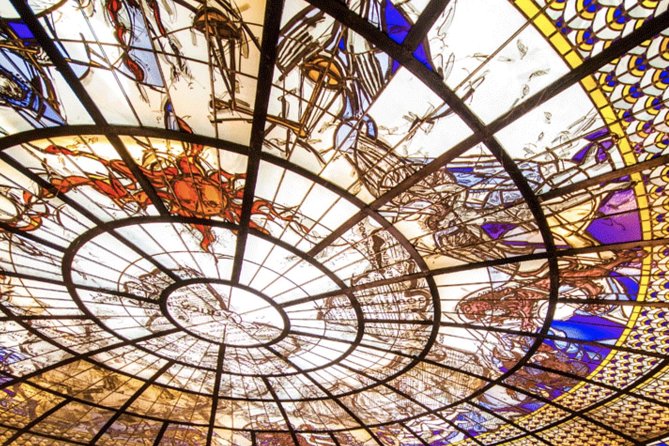
The upper level, heaven, is the visual climax. Ornate decoration, color, and religious imagery make it feel more like a sacred interior than a plain exhibition hall. The transition from the darker lower space to the brighter, more decorative upper area is one of the building’s strongest ideas.
The staircase is part of the experience. It is often one of the most memorable architectural details, so take your time as you move between levels. Look at the railings, patterns, and decorative work rather than treating the stairs as a route to the next display.
More museums in Bangkok:
- Skip the Line: Patpong Museum Guided Tour
★ 5.0 · 80 reviews - Jim Thompson House Museum Entrance Ticket & Hotel Pick up
★ 4.0 · 9 reviews - Jim Thompson’s House and National Museum Bangkok (Phranakorn)
★ 4.0 · 9 reviews - Ancient City Bangkok and Erawan Museum Tickets
★ 4.5 · 8 reviews
What the collection adds to the visit
The Erawan Museum holds Thai antiques, ancient artifacts, pottery, and Buddhist statues. These objects provide cultural substance beneath the dramatic architecture. Without them, the elephant building would be an impressive photo stop but a thin museum experience.
The collection is best approached as an introduction. You can see religious art, decorative craft, and historical objects without needing to spend hours reading labels. The audio guide helps supply background and is especially useful if you want more context than the visual displays provide.
The information supplied for the audio guide names English, Chinese, Russian, Thai, and Korean. The ticket details specifically list English and Chinese, so if language access matters to you, confirm the available option when collecting the device. No individual guide is named, and this is not presented as a guided group tour.
I like the audio guide because it lets you set your own pace. You can listen closely to a few important areas, then move on when the explanation becomes less relevant to your interests. That flexibility suits a compact museum better than a fixed lecture.
The gardens are worth your time
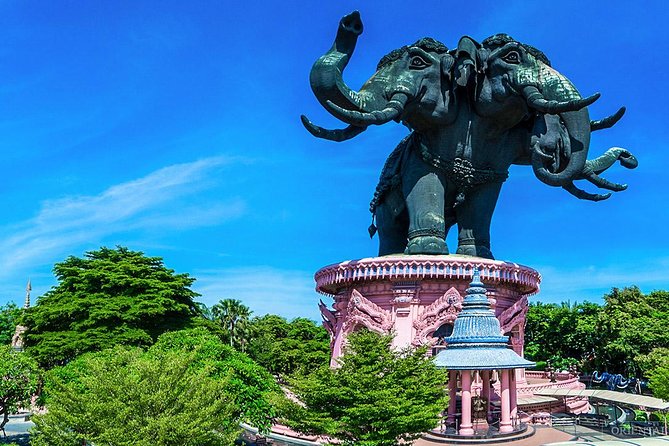
The outdoor grounds are not filler. They give the visit room to breathe after the darker interior rooms and offer a second way to experience the elephant theme.
Model elephants are placed around the grounds, and some have moving features. These details give the gardens a slightly playful character, while the main statue keeps the setting grand and ceremonial. Families may find the smaller sculptures more approachable than the formal indoor displays.
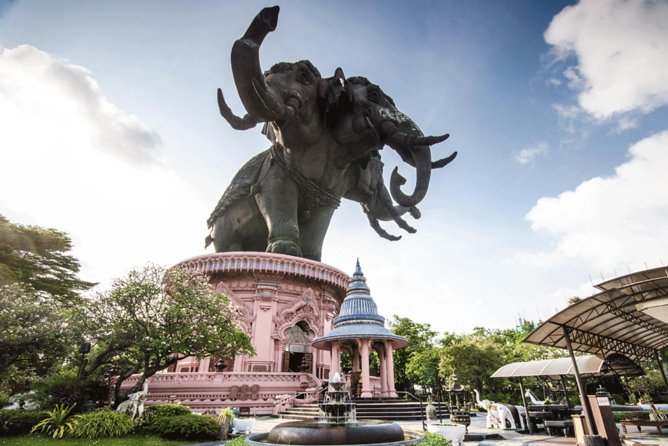
The gardens are also the best place to take in the building’s scale. From a distance, you can see how the elephant’s body forms the museum and how the structure dominates the property. Up close, you notice the surface decoration and the way the entrance fits beneath the animal.
If you are visiting in the afternoon, plan a little outdoor time before the heat becomes tiring. The museum stays open until 7 p.m., but the exact comfort of the gardens depends on Bangkok’s weather. The indoor rooms provide relief, while the gardens provide the best broad views.
How long should you plan?
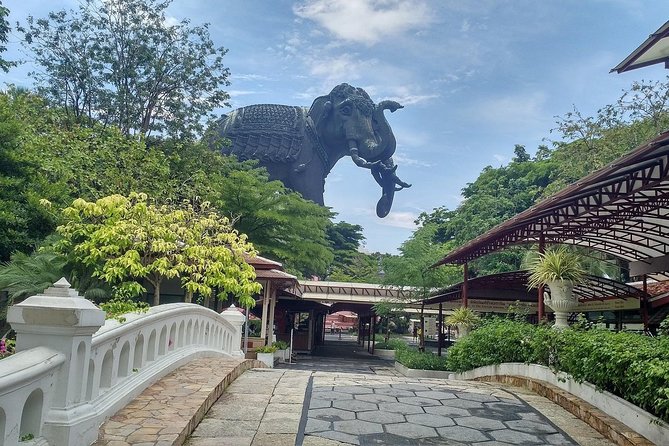
The suggested visit is about 30 minutes, which is realistic if you focus on the main structure, the three levels, and the gardens. That makes the museum easy to add to a crowded Bangkok schedule.
You can stay longer if you listen to the audio guide carefully, study the antiques, spend time with the Buddhist statues, and walk through the grounds. The booking information allows a duration ranging from 30 minutes to 10 hours, but most people will not need anything close to the upper end.
I would plan about one hour for a comfortable visit. That gives you time to arrive, walk around the elephant, explore the inside, listen to selected audio sections, and pause in the gardens. If you are pairing it with other sights, 30 minutes can work, but it will feel like a quick look rather than a full museum visit.
Large organized groups can affect your pace. One complaint concerns crowded conditions and difficulty taking clear photographs when bus groups arrive. If photography matters to you, an earlier or later visit may feel more manageable, though no quiet period is guaranteed.
Is the $16.21 admission good value?
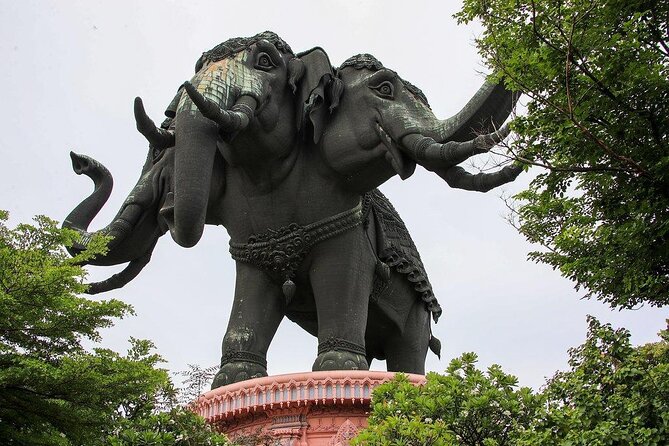
At $16.21 per person, the ticket is not cheap for a museum you may finish in 30 minutes. The value depends on what you are buying.
If you measure admission by the number of rooms or hours inside, you may find it expensive. If you count the building, gardens, elephant sculpture, religious art, antiques, and audio guide as one cultural attraction, the price becomes easier to justify. The included flowers, incense sticks, and lotus add a small ceremonial detail, though they should not be the reason you book.
The ticket is for foreign visitors, and transportation, donations, and personal spending are not included. You should also note the strict cancellation rule: the experience is non-refundable and cannot be changed after booking.
My view is that the museum offers fair value for people who care about architecture and Thai culture, but less value for someone seeking a large collection or a long guided tour. It is a distinctive stop, not an all-day museum.
Who will enjoy Erawan Museum most?
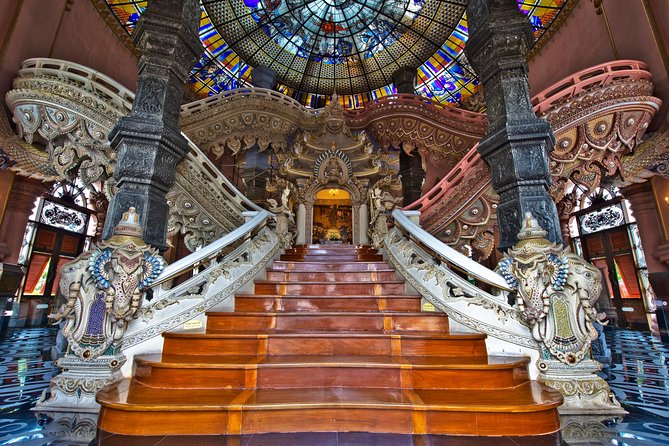
I would recommend it to you if you enjoy unusual buildings, religious art, Thai antiques, and photo-worthy architecture. It also suits anyone who has already seen Bangkok’s major temple sites and wants a different cultural outing.
Families may appreciate the elephant theme and open grounds, though the dim pottery area and religious displays may hold less interest for young children. Art lovers should focus on the decorative staircase, upper-level interior, Buddhist statues, and the contrast between the three symbolic worlds.
It is less suitable if you need a large, highly detailed museum with extensive English interpretation. It may also disappoint if you expect a full-day attraction. The compact visit is part of its appeal, but it also limits how much historical detail you can absorb.
The museum is near public transportation, and most people can participate. Still, you should expect stairs and walking between indoor and outdoor areas. The information provided does not give detailed accessibility arrangements, so contact the operator before booking if you have specific mobility needs.
Practical advice for a smoother visit
Buy the ticket only when your schedule is fairly firm because it cannot be refunded or amended. Check the audio guide language at the entrance, especially if you need Russian, Thai, or Korean, since the general information lists five languages while the ticket details specifically identify English and Chinese.
Give yourself time to photograph the elephant before going inside. The exterior is the part most likely to feel rushed if you arrive with a group or try to fit the whole visit into a short gap.
Use the BTS rather than relying on a taxi if traffic is heavy. Chang Erawan Station is close, and the 5 to 10 minute walk keeps the final part simple. Bring water for the walk and outdoor gardens, but remember that the indoor rooms can feel cool.
Finally, keep your expectations in the right place. You are visiting a compact cultural attraction with a remarkable structure, not a vast museum. The more you value the setting, symbolism, and art together, the more satisfying the admission price becomes.
Should you book the Erawan Museum?
Book it if you want a memorable architectural stop that combines a giant three-headed elephant, Thai antiques, Buddhist art, symbolic interior levels, and peaceful gardens. The BTS access and 30-minute core visit make it easy to fit into a Bangkok day.
Skip it if your priority is a large collection, a long guided program, or the lowest possible admission cost. For everyone else, especially visitors who enjoy strange and beautiful buildings, the Erawan Museum is a worthwhile side trip to Samut Prakan. Go with enough time to see the outside properly, listen to the audio guide, and let the building do much of the storytelling.
FAQ
Where is the Erawan Museum located?
The museum is in Samut Prakan Province, near Bangkok. It is close to Chang Erawan BTS Skytrain Station.
How do I reach the museum by public transportation?
Take the BTS Skytrain to Chang Erawan Station. From there, the museum is about a 5 to 10 minute walk.
How much does admission cost?
The listed price is $16.21 per person. The included admission ticket is for foreign visitors.
What are the opening hours?
The museum is open Monday through Sunday from 9 a.m. to 7 p.m.
How long does a visit take?
The suggested visit time is about 30 minutes. The available duration is listed as approximately 30 minutes to 10 hours, depending on how long you choose to stay.
Is an audio guide included?
Yes. Audio guide service is included. The general information lists English, Chinese, Russian, Thai, and Korean, while the ticket details specifically name English and Chinese.
Is transportation included with the ticket?
No. Transportation to and from the Erawan Museum is not included. Donations are also optional and separate from the ticket price.
Newly reviewed around Bangkok
- Top 3 Bangkok Temples: Multilingual Private Tour [EN,ES,DE,IT,FR]★ 5.0 · 9 reviews
- Bangkok Selfie Expert Tour: Little India, Wat Traimit & Wat Pho★ 5.0 · 3 reviews
- Bangkok Sky Buffet at Baiyoke Sky Admission Ticket★ 3.5 · 3 reviews
- Grand Palace & Emerald Buddha Private Tour [Optional Luxury]★ 5.0 · 27 reviews
- Full Day Professional Thai Fruit and Vegetable Carving Class★ 5.0 · 13 reviews
- Timeless Thonburi Canal and Food Tour★ 5.0 · 31 reviews
- Bangkok Airport Layover Special : Touch of Thailand 8 Hours Tour★ 4.0 · 6 reviews
- The Newest Luxury 5 Star Bangkok Chaophraya Dinner Cruise★ 4.5 · 47 reviews
Ancient City and Erawan Museum Tickets from Bangkok, compared.
Private Guided Day Tour to Erawan Museum & Ancient City
Read our review →
Ancient City (Mueang Boran) Entrance Tickets With Hotel Transfer
Read our review →
Muang Boran : Ancient City of Samut Prakan Tour from Bangkok
Read our review →
Private Tour for Ancient City Bangkok and Erawan Museu(min 2 pax)
Read our review →
Bangkok Ancient Wonders: Muang Boran Ancient City & Erawan Museum
Read our review →
Muang Boran – The Ancient City of Samut Prakan Admission Ticket
Read our review →
Browse the lists this tour appears in