
Reviewed · KANCHANABURI AND RIVER KWAI DAY TRIPS FROM BANGKOK
Bangkok: Bridge on the River Kwai and Thailand-Burma Railway Tour
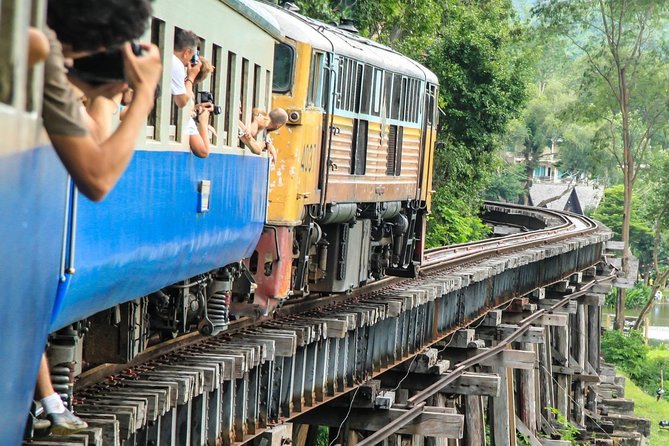
The most memorable part of this day is the change of pace: a long drive from Bangkok, a noisy long-tailed boat ride, a quiet cemetery, and a train crossing the famous Death Railway. The Bridge on the River Kwai is not just a film location. It is part of a wartime railway built by prisoners of war and forced laborers under brutal conditions.
I like the mix of transport and the serious historical stops. The boat and train keep the day from feeling like a string of museums, while the cemetery and JEATH War Museum give the bridge a human meaning. Guides such as Rach, Oom, and Zoom have been praised for clear explanations, photos, and steady organization.
The main drawback is the length. This is an approximately 11-hour day, and Bangkok traffic can make the return even longer. Also, the train ride requires an additional 300 baht per person for a guaranteed seat and onboard refreshments, a cost you should understand before booking.
Key points to know before you book
- A full-day journey from Bangkok: Plan for roughly 11 hours, with pickup often 30 to 60 minutes before the 7:00 am departure.
- Three ways to travel: You ride in an air-conditioned vehicle, take a long-tailed boat, and travel by train along the Death Railway.
- The history is the heart of the day: The cemetery and museum add meaning that the bridge alone cannot provide.
- The train seat costs extra: Around 300 baht per person is paid locally for a guaranteed seat, tea or coffee, drinking water, a cold towel, and a certificate.
- Small groups can improve the experience: The maximum group size is 15, and some departures have been as small as two couples or fewer.
- Central hotel pickup is included: Pickup and drop-off apply to most centrally located Bangkok hotels, but traffic can affect the return time.
Why the Bridge on the River Kwai matters
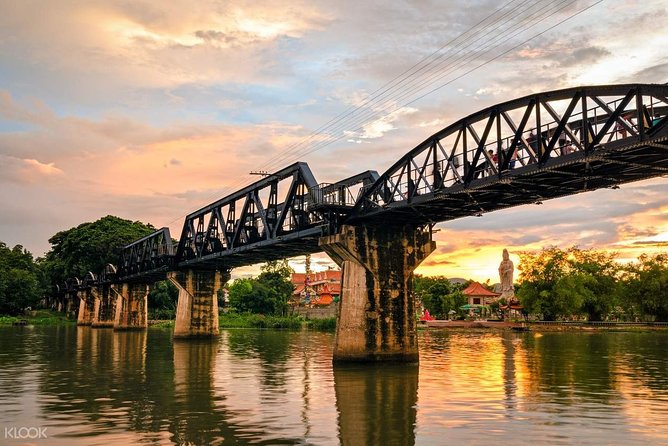
The bridge is part of the Thailand-Burma Railway, built between 1942 and 1943 during World War II. The project became known as the Death Railway because thousands of prisoners of war and Asian laborers died from disease, hunger, exhaustion, abuse, and dangerous working conditions.
The bridge became famous through the 1957 film and Pierre Boulle’s novel, but the real story is more complicated than the movie. Your guide helps separate the popular image from the actual events, including the role of British, Australian, Dutch, American, and other prisoners of war, as well as the many Asian laborers whose suffering is often less familiar.
That context makes the visit worthwhile. If you only stop for a photograph, you see an attractive steel bridge over a broad river. If you understand how it was built, the same bridge becomes a place of remembrance.
You can walk across the bridge and look down toward the river. Parts of the walkway have uneven surfaces, so take care with your footing. The setting is scenic, but the mood is not simply cheerful sightseeing. The best approach is to enjoy the views while giving proper attention to the people who died here.
More Kanchanaburi and River Kwai days:
- From Bangkok: Erawan Park & Kanchanaburi Small-Group Tour
★ 4.5 · 1,582 reviews - From Bangkok: Historical Day Tour to River Kwai
★ 4.6 · 868 reviews - Bridge on the River Kwai and Thailand-Burma Railway Tour
★ 4.5 · 658 reviews
The long morning from Bangkok to Kanchanaburi
Pickup begins from centrally located Bangkok hotels, with the exact time depending on your hotel. The stated start time is 7:00 am, but pickup may be 30 to 60 minutes earlier. You must provide your hotel information when booking, and the operator may arrange a nearby pickup point if your hotel is outside the central service area.
The journey to Kanchanaburi takes time. That is part of the tradeoff with this tour. You get hotel service and an organized day, but you give up the flexibility of an independent visit. An air-conditioned vehicle makes the ride more comfortable, and guides often use the drive to explain the area and its wartime past.
You may also stop for breaks during the long day. Traffic is the unpredictable part, especially on the way back into Bangkok. A smooth return is possible, but you should not schedule a tight dinner reservation, flight, or evening show after the tour.
The group size can reach 15 people, though smaller departures are possible. A small group makes it easier to ask questions and hear the guide. It also gives the day a more personal feel without requiring the cost of a private tour.
Arriving at the River Khwae Bridge
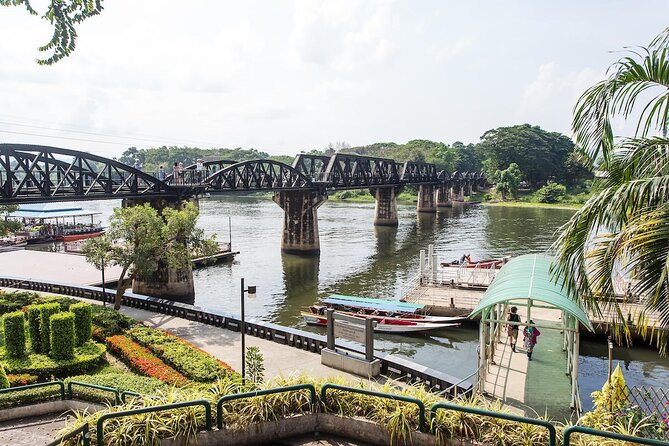
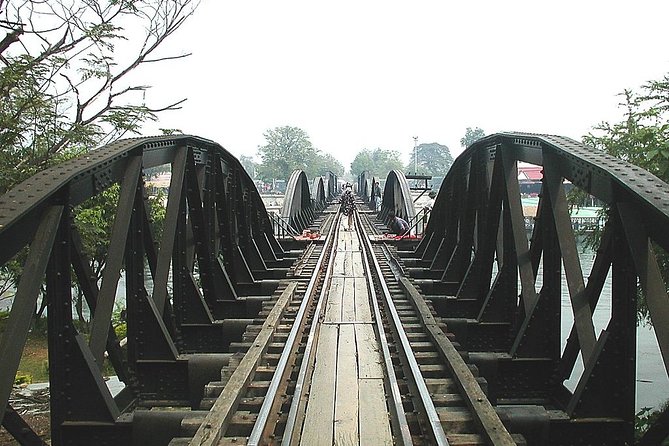
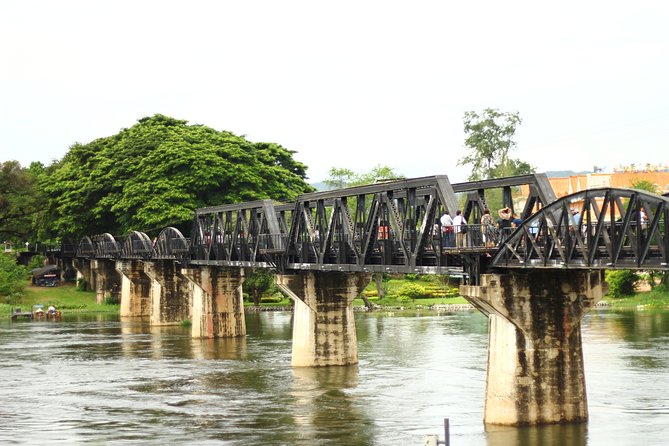
The bridge visit is the visual centerpiece. You see the structure, walk across it, and hear how it formed part of the wartime railway route toward Burma, now Myanmar.
The name can cause confusion. The real river is commonly called the Khwae Yai, while the famous English title uses Kwai. Your guide can help explain the local geography and the way the bridge became linked with the film and the wider railway project.
The bridge itself is active as a railway crossing, so you need to pay attention while walking. The combination of metal tracks, river views, and passing trains gives the place a strong sense of being part of a living railway rather than a preserved monument behind a fence.
I like this stop because it puts the story in a real setting. You are not only reading about the railway in a display case. You can see the route, feel the height of the bridge, and look along the river toward the surrounding countryside.
Still, the bridge can be busy. If you want a quiet, reflective visit, the cemetery usually provides that more effectively. The bridge is best understood as the starting point for the story, not the whole story.
Seeing the river by long-tailed boat
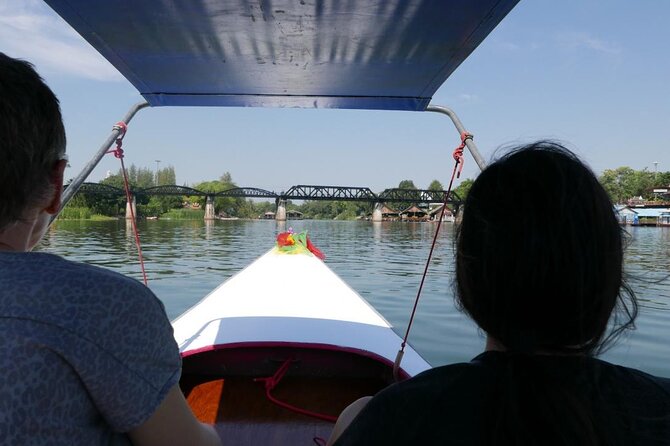
The long-tailed speedboat ride is one of the day’s most enjoyable changes of mood. You travel along the river toward the bridge, with the engine noise and open views giving you a different perspective from the road.
This is not a slow, silent cruise. Long-tailed boats are lively, practical craft, and the ride adds a distinctly Thai element to a tour that could otherwise feel like a standard historical excursion. Bring a secure grip for your belongings and expect some movement as you get in and out.
The boat is also the part that requires the most physical care. If you have mobility problems, getting into or out of the boat may be difficult. Tell the guide at the start of the tour. A road transfer to the bridge can be arranged instead.
The river section is listed as a substantial part of the itinerary, but the exact time on the water can vary with the day’s transport arrangements. The important point is that the boat is not a decorative extra. It is one of the main ways this tour connects the scenery with the railway route.
More train and railway trips near Bangkok:
- Bangkok: Damnoen Saduak Market and Maeklong Railway Market
★ 4.5 · 26,723 reviews - The Old Siam: Damnoen Saduak and Maeklong Railway Market
★ 4.5 · 10,992 reviews - Bangkok: Train Market & Floating Market with Boat Ride
★ 4.7 · 9,547 reviews - Half-Day Railway Market and Floating Market Tour in Thailand
★ 4.5 · 3,924 reviews
Kanchanaburi War Cemetery and the human cost
The Kanchanaburi War Cemetery is a carefully maintained burial ground on Saeng Chuto Road in Kanchanaburi. It is the main cemetery for prisoners of war who died during the construction of the Burma Railway.
You have around 30 minutes here. That may sound brief, but the cemetery does not require a long guided walk to make an impact. Rows of headstones, names, ages, and personal inscriptions do the work. Many of the men were very young.
Give yourself time to read. This is not a stop for hurried photographs. The cemetery is often the point when the historical facts become personal, especially if you have family connections to the war or recognize a name.
The grounds are kept with care, and that attention matters. After the noise of traffic, the boat, and the train, the cemetery offers a quiet place to consider what the railway cost. I would treat this as the emotional center of the day, even though the bridge is the most famous sight.
JEATH War Museum and the POW story
The JEATH War Museum is small and focused mainly on the prisoners of war who built the railway. The name refers to Japan, England, America, Australia, Thailand, and Holland, the countries connected with the railway story and the museum’s subject.
You spend about 20 minutes here. Original photographs, letters, drawings, and displays about camp conditions show the physical and mental hardship faced by the prisoners. The collection is not presented like a large modern museum, and some parts may feel dated.
That limitation is worth knowing. You should not expect a polished national museum with extensive galleries and elaborate technology. The museum’s value lies in its direct material: photographs, personal documents, and a close look at the conditions endured by the POWs.
Some parts of the displays may be difficult to view. The subject is painful, and the museum does not soften the cruelty of the railway project. I find the short visit useful because it gives names, faces, and personal evidence to the larger story told at the bridge and cemetery.
A research center previously associated with the area is not part of the current visit. Do not book this tour expecting that stop. The listed historical visits are the cemetery and JEATH War Museum.
Riding the Death Railway train
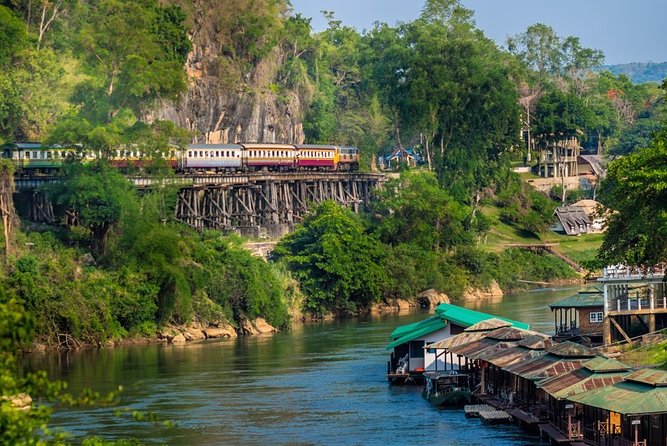
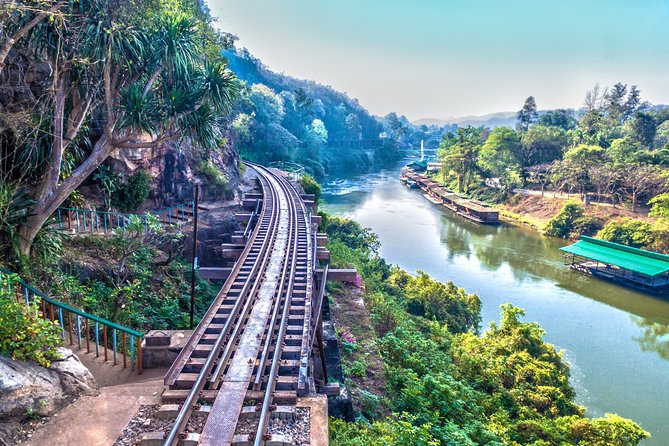
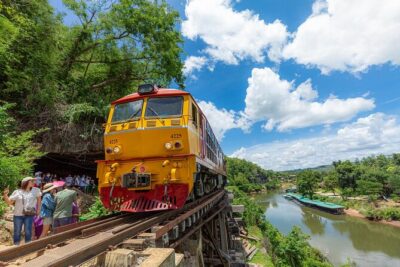
The train ride is the other major highlight. You travel along the surviving railway, including the section over the bridge, with views of the river and countryside along the route.
The journey is not a luxury rail trip. It is a working local train, and the ride can be crowded. The train may also feel long, particularly after an early start and several hours on the road. That said, sitting on the railway itself gives you a direct connection to the route’s physical reality.
The tour includes the train journey, but there is an important extra payment. About 300 baht per person is paid locally at the station for a guaranteed seat. This also includes tea or coffee, drinking water, a cold towel, and a certificate.
The wording can be confusing because the rail ride is included while the reserved seat is not. You may be able to ride without paying the additional amount, but the 300 baht is the stated charge for securing a seat and the added items. I would budget for it rather than treat it as an unexpected cost.
A seat is useful. Standing for a long stretch after a busy day would make the ride less pleasant, especially if you are tired. The train offers open views, and a seat lets you enjoy them instead of focusing on where to stand.
Lunch beside the River Kwai
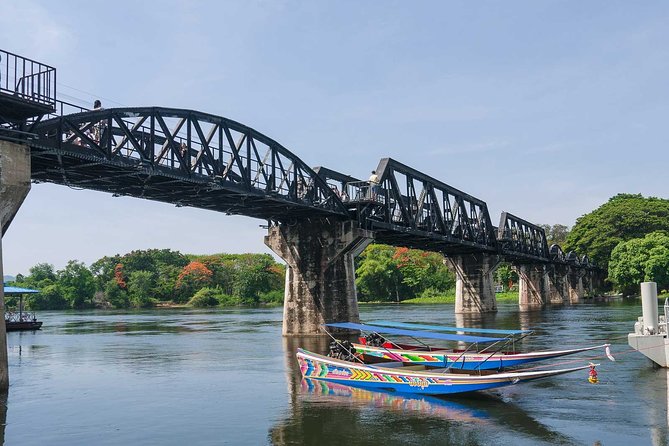
Lunch is a buffet in Kanchanaburi and is included in the tour price. The setting is one of the pleasant details of the day, with a view toward the river.
Food quality can vary on any group tour. Some diners have found the buffet very good, while another found the dishes cold. Go in expecting a practical included meal rather than a carefully planned food experience.
Beverages are not included, so carry some cash for drinks. Water is listed with the paid train seat package, but you should not rely on that for the whole day. The combination of heat, walking, and a long vehicle journey makes hydration important.
The lunch stop breaks up the sightseeing and gives you a chance to sit down before the train journey or the return drive. It is also a useful part of the value calculation. You are not paying separately for entrance fees, transportation, or the main meal.
Guides, group size, and the feel of the day
The guide can make a large difference on a tour with this much driving. Rach has been praised for detailed explanations, answering questions, and helping with photos. Oom is noted for explaining the plan clearly, adding appropriate humor, and keeping the day moving. Zoom has also been praised for guidance during the more emotional parts of the visit.
Those names do not guarantee who will lead your departure. The important point is that the guide is a major part of the experience. A good guide can explain the difference between the film and the real railway, identify the countries involved, and give the cemetery and museum the care they require.
The small maximum group of 15 is a practical advantage. It is easier to hear instructions, board transport, and ask a question than it would be with a large coach group. Some departures may have only a few people, though a shared tour requires at least two participants and can be canceled if that minimum is not met.
If you are traveling alone, you can still book the shared option, but there is a risk of cancellation if too few people join. An alternative date or refund is offered in that situation.
Is the 99.40 dollar price good value?
At $99.40 per person, the price is reasonable for a long organized day from Bangkok. It covers central hotel pickup and drop-off, an air-conditioned vehicle, the long-tailed boat, train travel, entrance fees, a Thai local guide, and buffet lunch.
The value comes from the logistics. Kanchanaburi is far enough from Bangkok that arranging the bridge, cemetery, museum, boat, train, lunch, and return transport independently would take planning. You also avoid having to work out the local connections between the sights.
The extra 300 baht for a guaranteed train seat weakens the all-inclusive impression, but it is not a large charge compared with the full day’s price. I would include it in your real budget, along with drinks.
You are paying for convenience and interpretation, not just entry tickets. If you want to linger for hours at the cemetery or museum, this schedule may feel too controlled. If you want to see the major sites in one day without handling the transport yourself, the price is easier to justify.
Who should book this day?
This tour suits you if you want a concentrated introduction to the River Kwai area and prefer a guide to explain the wartime story. It is especially useful for anyone interested in World War II, military history, family connections, or the film and book that made the bridge famous.
You should also enjoy varied transport. The boat and train are not minor add-ons. They are the parts that make the day feel like a journey rather than a series of roadside stops.
It is less suitable if you dislike early starts, long drives, shared meals, or fixed schedules. The uneven surfaces at the bridge and the boat transfers may also be difficult if you have mobility concerns, though the guide can arrange a road transfer to the bridge.
Bring comfortable shoes, water money, and patience for Bangkok traffic. Keep the evening open. The return may run beyond 11 hours.
Should you book the River Kwai tour?
I would book it if you have one day in Bangkok and want the main Kanchanaburi sights handled in one organized trip. The cemetery and museum give the bridge proper context, while the long-tailed boat and train ride add variety and make the day more memorable.
I would skip it only if you need a relaxed pace or want a more specialized historical visit. For most people, the combination of practical transport, a small possible group, local guiding, and several meaningful stops makes this a strong use of a full day.
Just budget for the extra 300 baht train seat fee, expect a long return through Bangkok traffic, and approach the cemetery and museum with the seriousness they deserve.
FAQ
How long does the tour last?
The tour lasts approximately 11 hours. Hotel pickup may begin 30 to 60 minutes before the 7:00 am start time, depending on your hotel location.
What is included in the price?
The price includes hotel pickup and drop-off from most centrally located Bangkok hotels, air-conditioned transportation, a long-tailed speedboat ride, a professional Thai local guide, train travel along the Death Railway, entrance fees, and buffet lunch.
Is the train ride included?
The train ride is included, but a guaranteed seat requires an additional payment of approximately 300 baht per person at the train station. This payment includes tea or coffee, drinking water, a cold towel, and a certificate.
Which historical sites will I visit?
You will visit the Bridge on the River Kwai, Kanchanaburi War Cemetery, and JEATH War Museum. A separate research center is not part of the current visit.
Is hotel pickup available?
Yes. Pickup and drop-off are offered from most centrally located Bangkok hotels. You must provide your hotel details when booking, and pickup may be arranged from a nearby location if needed.
Is lunch included?
Yes. A buffet lunch in Kanchanaburi is included. Beverages are not included.
Can I join if I have mobility problems?
You may have difficulty getting into or out of the long-tailed boat. Tell the guide at the start of the tour, and a road transfer to the bridge can be arranged instead.
Can a solo visitor book the shared tour?
Yes, but at least two people are required for the shared tour to operate. A solo booking is subject to availability and may be canceled if the minimum is not met. An alternative date or refund will be offered if that happens.
Newly reviewed around Bangkok
- Twilight Firefly Bangkok Bicycle Tour★ 5.0 · 24 reviews
- Wonderful Pearl Cruise with Private Hotel Transfer★ 4.6 · 24 reviews
- Day Tour of Ayutthaya and Bang Pa In★ 5.0 · 3 reviews
- re:leaf spa and massage★ 4.0 · 10 reviews
- Bangkok: Wonderful Pearl Dinner Cruise at River City Pier★ 4.3 · 13 reviews
- Bangkok Half Day Guided Tour: Grand Palace, Wat Arun & Wat Pho★ 5.0 · 4 reviews
- Wonderful Pearl Dinner Cruise★ 3.5 · 27 reviews
- Yoga in the Park Thailand★ 5.0 · 12 reviews
Kanchanaburi and River Kwai Day Trips from Bangkok, compared.
Bridge on the River Kwai and Thailand-Burma Railway Tour
Read our review →
Erawan Waterfalls and Bridge Over River Kwai Tour from Bangkok
Read our review →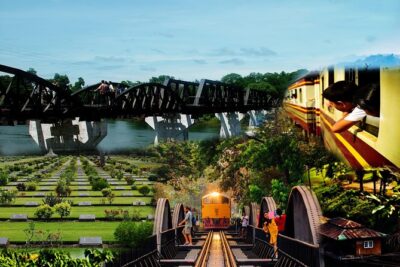
Bridge on the River Kwai and Thailand-Burma Railway Guided Tour
Read our review →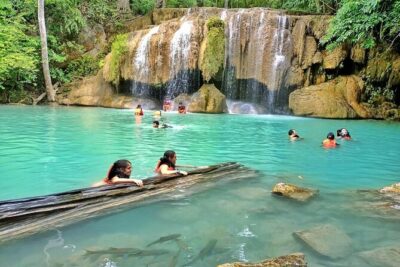
Kanchanaburi Full Day Tour: River Kwai and Erawan Falls
Read our review →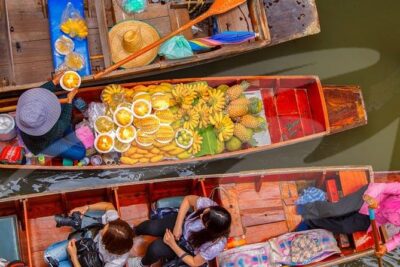
Floating Markets and Bridge on River Kwai Tour from Bangkok
Read our review →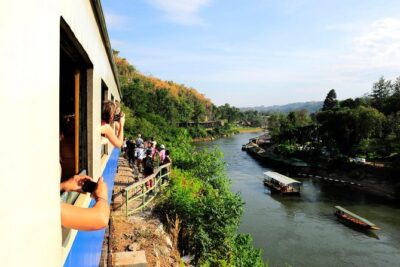
River Kwai Day Tour from Bangkok – History, Scenery & Culture
Read our review →
Bridge over River Kwai and Hellfire Pass Tour with Train Ride
Read our review →Browse the lists this tour appears in