
Reviewed · WALKING TOURS
Bangkok Heritage & Street Art Private Walking Tour
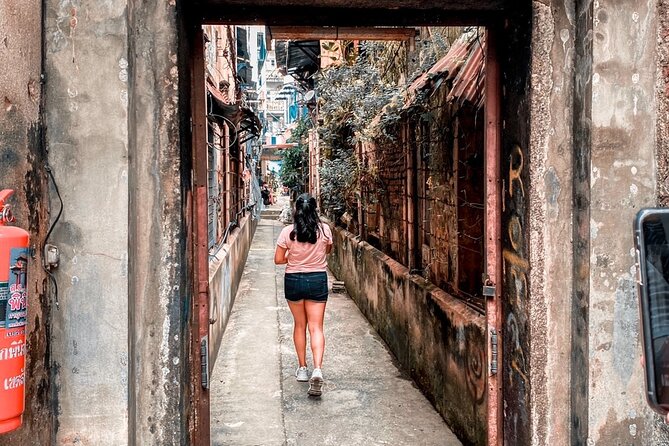
Bangkok’s old riverside neighborhoods reveal themselves best on foot, and this private four-hour walk takes you into Charoen Krung and Talat Noi, two districts where Chinese, European, Thai, and river-trade influences meet. You’ll see grand churches, quiet temples, old warehouses, faded shophouses, and street art that turns worn walls into open-air galleries.
I like the mix of food and local history, beginning with roasted duck at Prachak, a Bangkok institution dating to 1909. I also like the small-scale format: your own group walks with an English-speaking guide, with guides such as Net and Nikki praised for energy, clear insight, and attention to dietary needs. The main drawback is the walking. Four hours on city streets, with no hotel transfer back, may feel long in tropical heat or rain.
At a Glance: What Makes This Walk Worth Your Time

- A 1909 roasted-duck stop: Prachak supplies a small meal and a taste of one of Bangkok’s long-running local institutions.
- Two very different old districts: Charoen Krung brings colonial-era buildings and religious landmarks, while Talat Noi feels more residential and workaday.
- Street art with context: Paintings and murals make more sense when your guide explains the buildings and communities around them.
- Multicultural Bangkok in one morning: The route includes a Buddhist temple, two Catholic churches, Chinese shrines, and former European trading sites.
- A private format: Only your group participates, so the pace and conversation can be more personal than on a large group walk.
- A one-way outing: Hotel pickup is included, but the walk ends in Talat Noi and return transport is your responsibility.
Why Charoen Krung and Talat Noi Make a Good Pair
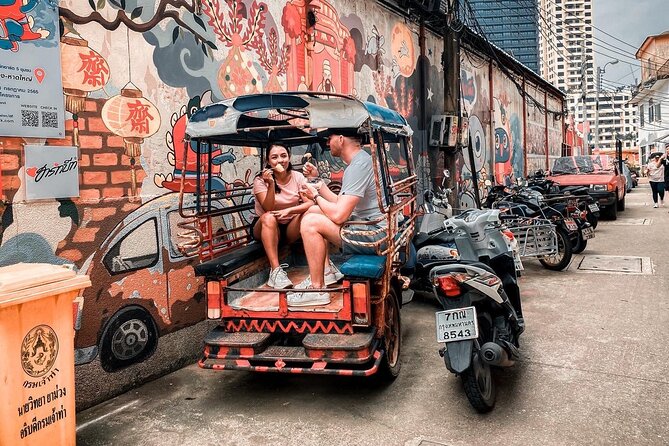
Many Bangkok sightseeing routes concentrate on palaces, major temples, and busy shopping streets. This walk takes a different course. Charoen Krung and Talat Noi offer a closer look at the city as a place where trade, migration, religion, food, and modern art have shared the same streets for generations.
Charoen Krung Road was once a key address for diplomats, merchants, and river commerce. Its older buildings now sit beside coffee shops, galleries, homes, and newer creative businesses. Talat Noi, part of the wider Chinatown area, has a more worn and intimate feel, with long-established Chinese-Thai families and narrow lanes.
That contrast gives the tour its shape. You begin with prominent buildings and formal landmarks, then move toward smaller shrines, old walls, local businesses, and street scenes. I like this progression because you are not simply checking off monuments. You are watching Bangkok shift from grand public architecture to everyday neighborhood life.
The private setup matters here. A guide can pause to explain a building, answer questions about a shrine, or adjust the rhythm for your group. Net is noted for a lively personality and for handling dietary needs, while Nikki is associated with an off-the-main-route version of the experience that includes heritage buildings, cafés, galleries, and street art.
More street art walks in Bangkok:
- Bangkok: Chinatown & Taladnoi Street Art Guided Walking Tour
★ 4.7 · 36 reviews - Bangkok: Street Art e-Scooter Tour of Chinatown
★ 4.8 · 7 reviews
Prachak Roasted Duck Starts the Morning Right
The first stop is Prachak, a no-frills restaurant that has served roasted duck since 1909. The visit lasts about 30 minutes and includes a small meal, so this is more than a quick photo stop.
The value here is cultural as much as culinary. A long-running local eatery gives you a direct connection to Bangkok’s food traditions, without turning the meal into a formal restaurant experience. The focus is the roasted duck, described as tender and succulent, and the setting is humble rather than polished.
You should tell the guide about dietary needs early. The tour can accommodate different requirements, but the practical details are easier to manage when they are known from the start. Snacks and drinking water are also included, though you should still carry water of your own in Bangkok’s heat.
Prachak may be less appealing if you want a leisurely sit-down meal or a broad tasting menu. This is a short stop within a walking tour. Think of it as a useful introduction to Bangkok’s everyday food culture, not a full food tour.
Wat Suan Phlu and the Quiet Side of Charoen Krung
After breakfast, the walk reaches Wat Suan Phlu, a peaceful temple in a small lane off Charoen Krung Road. The site dates back to the late Ayutthaya era and was built on land once associated with betel-nut gardens.
The stop lasts about 10 minutes. That is enough for a quick look and an explanation, but not enough for a long temple visit or detailed architectural study. Its appeal comes from the change in mood. Charoen Krung can feel active and crowded, yet this temple offers a brief pocket of calm just away from the main road.
I like stops such as this because they show how Bangkok’s religious sites are woven into ordinary neighborhoods. You are not being taken only to the city’s most famous monuments. You are seeing a smaller place that helps explain how local communities developed around older roads and waterways.
Dress and behave respectfully at the temple. The supplied information does not specify a dress code, but modest clothing is a sensible choice for any Bangkok temple visit.
Assumption Cathedral and the Old European River Quarter
Assumption Cathedral brings a different layer of Bangkok’s past. It is the city’s principal Roman Catholic cathedral, near the Oriental Pier and the historic Mandarin Oriental Hotel. Construction began between 1809 and 1821 under French missionaries.
The visit takes about 10 minutes, so the guide’s explanation is important. You will get a short look at the cathedral and its place in the Bang Rak area, where foreign merchants, missionaries, diplomats, and local residents shaped the district over time.
The tour does not treat Bangkok as a city with one single cultural identity. A Buddhist temple appears beside Catholic churches, Chinese shrines, and former European trading sites. That range is one of the morning’s strongest features, especially if you want to understand how migration and commerce changed the riverside districts.
Assumption Cathedral may feel rushed if you want time for quiet reflection, interior detail, or photography. The point is not an extended church visit. It is a concise stop within a broader story about Bangkok’s religious and commercial connections.
More historic sites around Bangkok:
- From Bangkok: Ayutthaya Historical Park Guided Day Trip
★ 4.6 · 3,020 reviews - UNESCO’s Ayutthaya Historical Park: Full-Day Tour from Bangkok
★ 4.5 · 1,559 reviews - From Bangkok: Historical Day Tour to River Kwai
★ 4.6 · 868 reviews - Historical City of Ayutthaya – Unesco Full Day Tour From Bangkok
★ 5.0 · 847 reviews
The East Asiatic Building and Bang Rak’s New Chapter
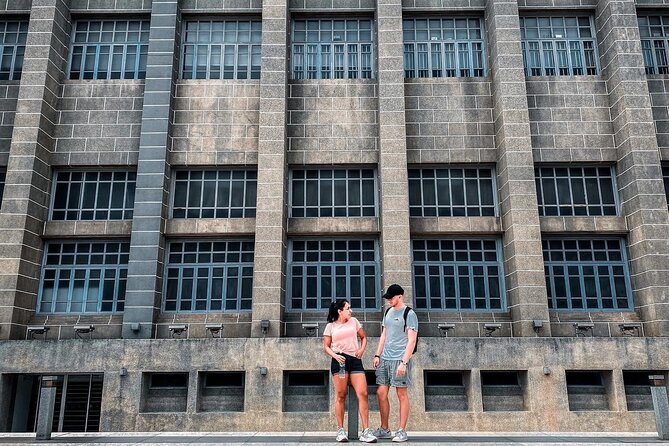
The East Asiatic Company Building is one of the route’s most striking architectural stops. Built in 1901 in Italian Renaissance style, it recalls the period when riverfront Bangkok was closely tied to international trade.
The building sits on Charoen Krung Road near the Mandarin Oriental Hotel. Even a 10-minute visit can help you read the street differently. Old façades, warehouses, and commercial buildings are not just decorative backdrops. They point to the ships, companies, and overseas connections that once gave this part of the city its importance.
The following Bang Rak section lasts about 15 minutes and adds a wider view of the neighborhood’s changes. Charoen Krung once served diplomats and traders, then became less prominent, and more recently began attracting creative businesses, cafés, galleries, and street art.
This is where the tour’s past-and-present theme becomes clear. You will not see a preserved historic district frozen in time. You will see old buildings adapting to new uses, sometimes gracefully and sometimes with signs of neglect. That unevenness is part of the appeal, but it also means the route may feel less polished than a purpose-built heritage attraction.
Holy Rosary Church and Bangkok’s Catholic Chinese Connections
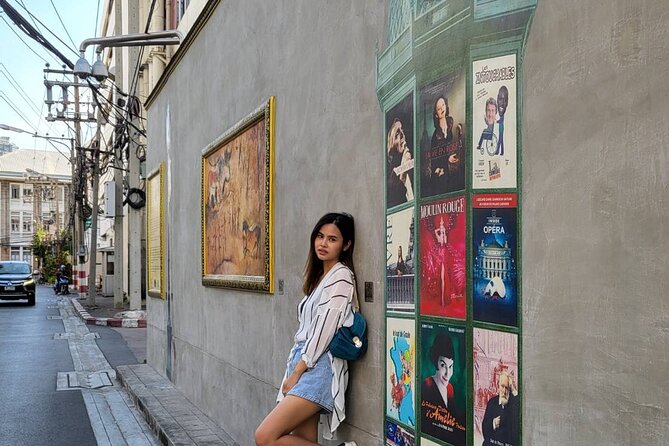
Holy Rosary Church, also called Kalawar Church, is one of Bangkok’s oldest Catholic churches. It is a Gothic Revival building beside the Chao Phraya River and adds another architectural style to the morning.
The stop is about 10 minutes. Its location helps connect the church to the old riverside communities around Talat Noi and Chinatown. Catholic institutions in Bangkok were not isolated from local life. They formed part of a wider network shaped by Chinese migration, foreign missions, trade, and river transport.
For me, this is one of the more useful parts of the route because the churches are not presented as random monuments. The guide can link them to the people and businesses that made Bang Rak and Talat Noi important. You get a better sense of why several faiths and cultural traditions exist within a compact part of the city.
Again, the timing is brief. If church interiors are your main interest, you may want a separate visit. If you want a well-paced overview of the district, 10 minutes is enough to keep the morning moving.
Talat Noi: The Tour’s Most Personal Hour and a Half
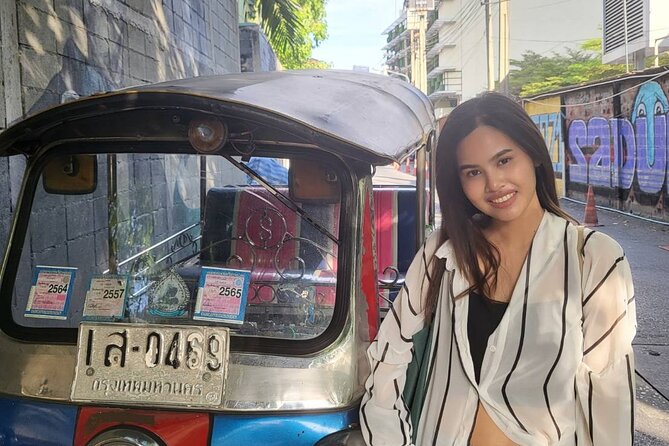
Talat Noi receives the longest stop, about 90 minutes, and rightly so. The neighborhood means small market and forms part of Bangkok’s Chinatown. It is one of the city’s older communities, with Chinese-Thai families, narrow lanes, old homes, workshops, shrines, and river-related buildings.
This is the heart of the tour. Here, the route becomes less about grand landmarks and more about texture. You might find faded façades beside bright murals, old shophouses beside galleries, and ordinary streets that reveal their character through small details.
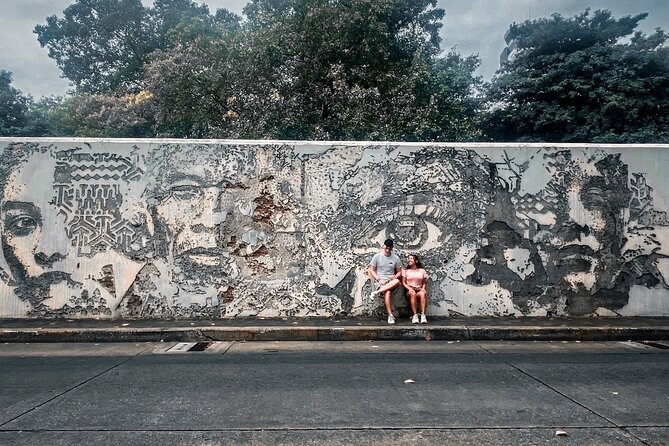
The street art is a major reason to choose this experience. Murals and painted walls give Talat Noi a modern creative edge, but the artwork works best when you understand the setting around it. The guide can point out how old buildings, local businesses, and new galleries share the same district.
A gallery visit is also a possible highlight. One guide-led version of the walk includes tucked-away galleries and attractive coffee shops, and the gallery experience has been singled out as a personal favorite. The supplied details do not promise admission to a particular gallery every time, so treat this as part of the route’s creative flavor rather than a guaranteed named attraction.
Talat Noi is not a museum district. Streets can be narrow, surfaces uneven, and the scenery can shift quickly from charming to worn. That is precisely why the area feels more genuine than a polished attraction, but it also demands comfortable shoes and attention while walking.
The 90-minute block gives you time to slow down. You can ask about family businesses, neighborhood traditions, street art, and the old buildings around you. In a private group, this is also the point when you can shape the conversation around your own interests.
Rong Kuak Shrine and Hakka Heritage
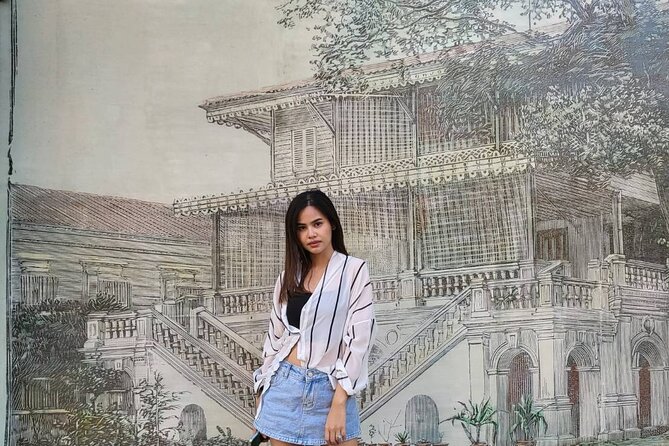
The final listed stop is Rong Kuak Shrine, also called Chao Hon Wong Kung Shrine. It is a small shrine in Talat Noi with Hakka-Chinese roots, established during the early Rattanakosin era.
The shrine honors Hon Wong Kung, a deity respected within the local community. This short 10-minute stop gives the route a focused ending. After the large churches, formal commercial buildings, and broad neighborhood story, you finish with a smaller place tied to Chinese religious life.
I like this final stop because it keeps the tour grounded in community identity. The shrine is not simply an old structure to photograph. It points to the people who settled in Talat Noi and maintained traditions while Bangkok changed around them.
The tour ends in Talat Noi rather than returning you to your hotel. That is practical if you want to continue exploring the neighborhood or connect with another part of Bangkok, but it is a cost and planning point to remember. Hotel pickup is included at the beginning, while the return transfer is not.
Price, Pace, and What You Actually Receive
At about $83.17 per person, this is not the cheapest way to walk around Bangkok. The price makes more sense if you value a private guide, hotel pickup, a small meal, snacks, water, and a planned route through several districts that can be hard to interpret on your own.
The included food helps. Prachak is not an added lunch bill, and you are not paying extra for each temple, church, building, or neighborhood stop. Admission is listed as free at the stops, so the tour’s cost is mainly for guiding, planning, transport at the start, and the small meal and refreshments.
The private format is the bigger value. A large group can make narrow lanes awkward and limit questions. With only your own group, you can ask for more detail about architecture, religion, food, or street art, and the guide can respond to your pace.
The tradeoff is that the route does not include return transport or a long formal meal. You are paying for access and interpretation, not luxury. Group discounts may improve the price for larger parties.
The tour begins at 9:00 a.m. and lasts about four hours and 20 minutes. Starting early helps avoid the worst midday heat, though Bangkok can still be hot by late morning. Wear supportive shoes, bring sun protection, and carry a raincoat or poncho during the wet season.
The walk operates in rain. Tropical showers may be short, and the guide will try to find shelter during heavy rain, but the route continues when conditions improve. Weather cancellations do not qualify for a refund, so book with that policy in mind.
Who Should Book This Bangkok Walk?
I would recommend this tour to you if you want Bangkok beyond the Grand Palace circuit. It suits anyone interested in food, architecture, migration, religion, local neighborhoods, and contemporary art.
It is especially useful early in a Bangkok visit. The guide can give you a framework for understanding the city’s old river districts, and you can return to Talat Noi or Charoen Krung later with more confidence.
The tour also suits small groups who want conversation rather than a scripted procession. Net’s energetic style may appeal if you like a lively guide, while Nikki’s approach has been linked with strong historical context and creative stops.
I would think twice if you have difficulty walking, dislike heat, or want a relaxed sightseeing experience with frequent seated breaks. The tour is not recommended for people with walking disabilities, and its four-hour length includes city streets rather than air-conditioned transport.
Book at least 24 hours before the start if your plans might change. Cancellations made at least 24 hours in advance receive a full refund. Later cancellations and no-shows are not refunded, and changes inside that window are not accepted.
Should You Book It?
Book this walk if your ideal Bangkok morning includes roasted duck, old trading buildings, Catholic churches, a neighborhood temple, Chinese shrines, street art, and a guide who can connect those pieces.
Skip it if you mainly want grand temples, shopping, or a short sightseeing loop with a hotel drop-off. For curious visitors who enjoy walking and want a more human-scale view of Bangkok, the route offers strong value, especially because the private format keeps the experience personal and the itinerary moves from famous architecture into everyday Talat Noi.
FAQ
How long does the Bangkok Heritage and Street Art Private Walking Tour last?
The tour lasts approximately four hours and 20 minutes.
What time does the tour start?
The tour starts at 9:00 a.m.
Is hotel pickup included?
Yes. Hotel pickup is included at the beginning of the experience.
Does the tour include transportation back to the hotel?
No. The tour ends in Talat Noi, and the return transfer is not included.
Is this a private tour?
Yes. Only your group participates in the activity.
What food and drinks are included?
The tour includes a small meal, snacks, and drinking water. The food stop is at Prachak, known for roasted duck.
Is the tour suitable for people with walking disabilities?
No. The experience is not recommended for people with walking disabilities.
What happens if it rains?
The tour operates in rain. During heavy rain, the guide will try to find shelter and continue when conditions improve. A rain-related cancellation does not qualify for a refund.
More Walking Tours in Bangkok
- Bangkok: City Highlights Temple and Market Walking Tour
★ 4.5 · 3,990 reviews - Bangkok: Grand Palace and Wat Phra Kaew Guided Walking Tour
★ 4.4 · 2,417 reviews - Bangkok: Wat Pho and Wat Arun Guided Walking Tour
★ 4.6 · 1,720 reviews - Bangkok Authentic Tasting Thai-Chinatown Walking Food Tour
★ 4.9 · 852 reviews
Newly reviewed around Bangkok
- Private transfer from BKK airport to Bangkok City★ 5.0 · 40 reviews
- Jim Thomson’s House & Suan Pakkard Palace Tour★ 4.0 · 7 reviews
- Chao Phraya Princess Cruise★ 3.5 · 5 reviews
- Interactive Amusement and Science theme park for all Ages★ 4.5 · 13 reviews
- Grand Pearl: Luxury Dinner Cruise with Live Entertainment★ 3.5 · 4 reviews
- Sunset Sail, Glittering Tempels at Afternoon Ayutthaya Tours★ 4.5 · 25 reviews
- Incredible Bangkok Food Tour★ 5.0 · 43 reviews
- Hot Oil Massage (2hours)★ 5.0 · 3 reviews
Walking Tours, compared.
City Highlights Temple and Market Walking Tour
Read our review →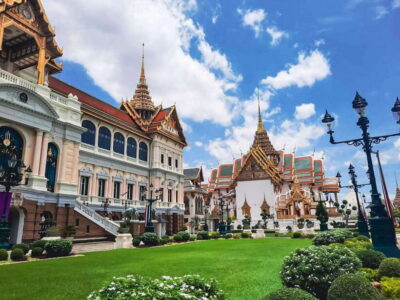
Grand Palace and Wat Phra Kaew Guided Walking Tour
Read our review →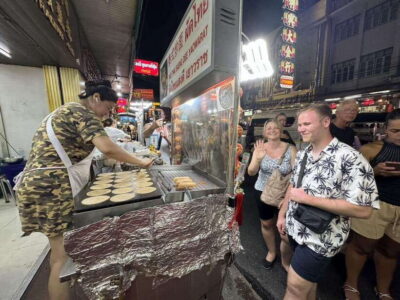
Bangkok Authentic Tasting Thai-Chinatown Walking Food Tour
Read our review →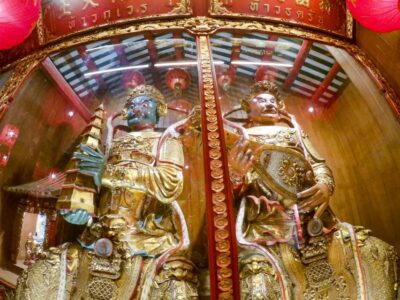
Discover a Taste of Chinatown – 2 Hr Walking Tour
Read our review →
3-Hour Bangkok Walking Tour: Wat Pho and Wat Arun
Read our review →
Grand Palace, Wat Phra Kaew, Wat Pho and Wat Arun Walking Tour From Bangkok
Read our review →
Grand Palace & Wat Phra Kaew Walking Tour with Professional Guide
Read our review →Browse the lists this tour appears in