
Reviewed · BANGKOK STREET FOOD TOURS
Night Street Food Tour of Bangkok’s Chinatown
Bangkok’s Chinatown is easiest to understand one bite at a time. This three-hour evening walk takes you through Yaowarat for 12 tastings, mixing Thai and Chinese flavors in dishes you may not spot on your own. You’ll also hear Chinatown stories and stop near Wat Tri Mitr, home of the Golden Buddha.
I like the generous food plan, which is meant to replace dinner, and the way the tour pairs food with local history. Guides such as G, Nudi, and Alice have also helped visitors with practical matters, including using the subway and Grab. The main catch is the seafood-heavy menu, with no vegetarian or halal option.
Key points to know before booking
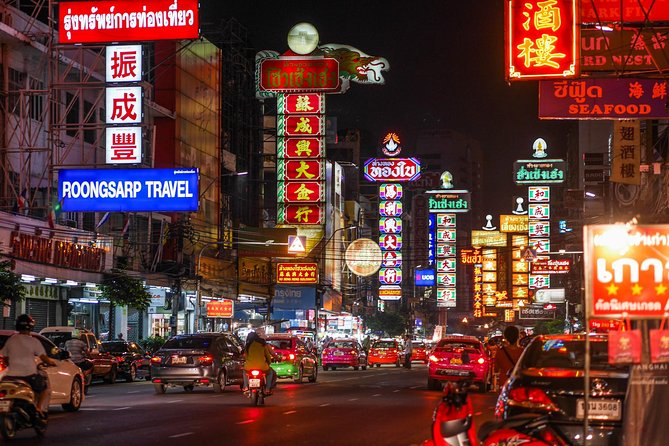
- Twelve tastings make this dinner, not a snack crawl: Expect noodles, dim sum, soup, seafood, dessert, tea, and drinks.
- The route begins at 6 pm: Meet near Hua Lamphong and walk into Yaowarat as the evening food scene gets going.
- Thai and Chinese cooking share the plate: The menu shows how Chinatown’s food blends Chinese techniques with Thai sauces, herbs, and heat.
- Seafood is central to the meal: This tour is not suitable if you cannot eat seafood, and no vegetarian or halal menu is offered.
- Your guide adds more than food descriptions: Expect Chinatown history, cultural context, and help with practical questions such as subway use.
- The price is $58.70 per person: That covers the guide, bottled water, local taxes, and enough tasting portions for a full dinner.
Starting near Hua Lamphong at 6 pm
The evening begins at the Bangkok Centre Hotel, 328 Thanon Rama IV, near Hua Lamphong MRT station. The meeting time is 6 pm. The tour information also describes pickup and return at the MRT station, not hotel pickup and drop-off, so plan your own way to the starting point.
That detail matters. One past booking confusion came from people expecting a hotel transfer. You should treat this as a meeting-point walking tour. Hua Lamphong is near public transportation, and the guide can help you get oriented at the end of the evening.
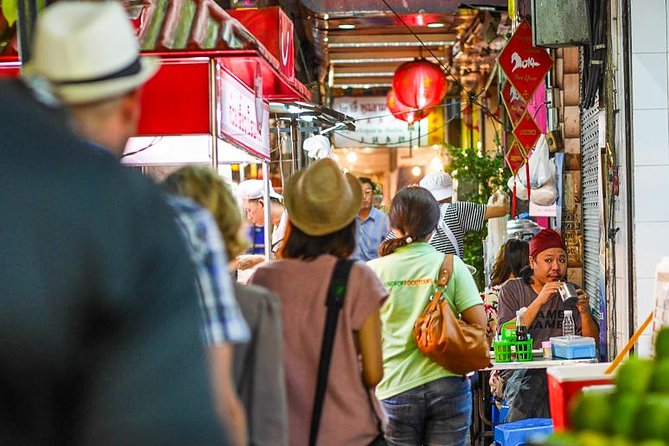
From the station area, you walk toward Chinatown, a district founded by Chinese merchants in the late 18th century. The change in atmosphere is part of the experience. You move from a major transport corridor into streets lined with food stalls, shops, signs, temples, and restaurants.
The route lasts about three hours. The pace includes several seated or standing food stops, so it is not a nonstop march. Still, you will be on your feet and outdoors for most of the evening. Wear comfortable shoes and leave room in your schedule for the walk back to Hua Lamphong.
More Chinatown tours in Bangkok:
- Bangkok Authentic Tasting Thai-Chinatown Walking Food Tour
★ 4.9 · 852 reviews - Bangkok: Tuk Tuk Adventure Chinatown Michelin Food & Temples
★ 4.3 · 725 reviews - Bangkok Tuk-Tuk Tour by Night with Chinatown Street Food Meal
★ 5.0 · 635 reviews
How the 12 tastings build a proper dinner
The menu is arranged as a progression through Chinatown’s food culture. The supplied stop list names seven stages, while the full experience includes 12 tasting locations. That means several stops include more than one small dish, rather than 12 entirely separate full meals.
The portions are intended to add up to a big dinner. You are not simply sampling one mouthful at each stall and then hunting for another meal afterward. Come hungry, but do not eat nothing all day. Twelve tastings can become a serious amount of food, especially in Bangkok’s warm evening air.
Your guide chooses the stops and explains what is in front of you. That is useful in Chinatown, where menus can be unfamiliar and English descriptions may be limited. The guide also helps tie the food together, showing how Chinese dishes have taken on Thai flavors.
Stop one: noodles in tomato soup with fish balls
The first named stop serves noodles in tomato soup with fish balls. It is a gentle opening to the meal, giving you a warm bowl before the stronger flavors arrive.
Fish balls add a springy texture, while the tomato-based broth gives the noodles a familiar starting point. This is a useful introduction to the style of the tour: a simple street dish, served in a neighborhood setting, with a local guide explaining why it belongs on the route.
You may appreciate starting with soup because it settles you into the evening. The drawback is that a bowl of noodles can fill you quickly, especially with eleven more tastings ahead. Pace yourself and remember that each stop is part of a larger meal.
Stop two: dim sum with a Chinatown accent
The next stage brings several small dim sum dishes. This is where the Chinese side of Yaowarat becomes especially clear.
Dim sum works well on a group food walk because you can try several pieces without committing to one large plate. It also gives the guide room to explain ingredients, preparation, and the connection between Chinese food traditions and Bangkok’s local cooking.
Do not expect a formal restaurant dim sum service. The appeal here is the neighborhood setting and the chance to compare small bites in sequence. If you have a food allergy or dietary restriction, tell the operator when booking and repeat it to the guide before eating. The general menu is not designed for vegetarians or people needing halal food.
More street food tours in Bangkok:
- Bangkok: Michelin Guide Street Food Tour by Tuk Tuk
★ 4.4 · 1,274 reviews - Bangkok: E-Scooter Night Tour with Local Street Food
★ 4.8 · 488 reviews - Bangkok Tuk-Tuk by Night with Chinatown Street Food Meal
★ 4.6 · 263 reviews - Bangkok Evening Street Food Tuk Tuk Adventure
★ 5.0 · 158 reviews
Stop three: Chinese herb drink and bitter tea
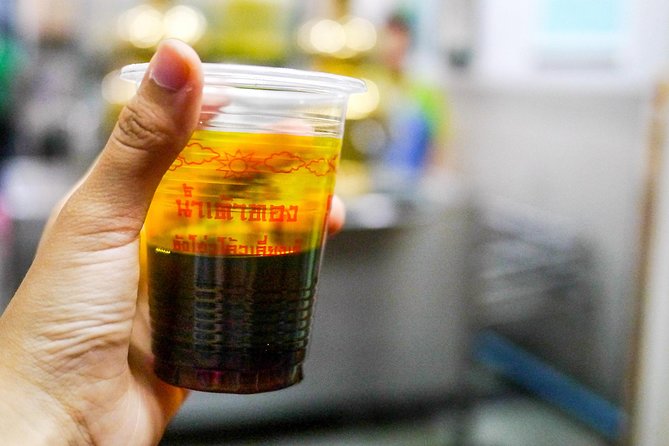
A Chinese herb drink adds a less familiar note to the route. The menu also includes bitter tea, which many local people drink for perceived health benefits.
This is one of the most interesting parts of the tour because it moves beyond the usual list of easy-to-love dishes. Sweet drinks and fried foods may be familiar to visitors, but bitter herbal drinks reveal another side of Chinatown’s food culture.
The flavor may take some getting used to. That is not a flaw, but you should know what to expect. This is a cultural tasting, not a dessert course. Your guide can explain why these drinks remain part of local habits and how they fit into the food traditions of the district.
Stop four: seafood with Thai killer sauce
Seafood appears in several forms during the evening. One stop includes a few seafood dishes served with a Thai killer sauce, described as a hot and forceful sauce.
This is likely to be one of the most memorable stages for anyone who enjoys Thai heat. The sauce shows how Chinatown’s Chinese food base meets Thai tastes, where acidity, chili, herbs, and strong seasoning can change the character of a dish.
It also explains the most important booking restriction. You must be able to eat seafood. The tour is not suitable for anyone who cannot have it, and there is no vegetarian or halal alternative listed. Specific dietary requirements should be given at booking, but you should not assume the entire route can be changed.
Stop five: rolled noodles, pepper soup, and crispy pork
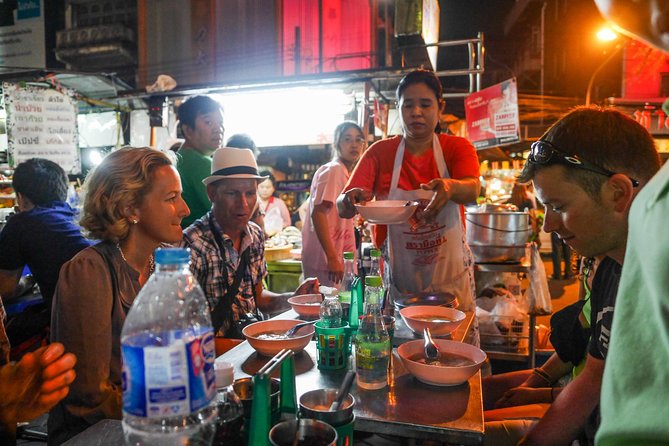
The peppery soup with crispy pork is the dish that may define the evening for many people. The stop features rolled noodles in peppery soup with crispy pork, combining soft noodles, a warming broth, and a salty, crisp topping.
This is the kind of dish that benefits from a guide. You get more than a bowl of soup. You learn how the ingredients work together and why a Chinatown stall can create such a satisfying meal from modest components.
The pepper can build as you eat. If you are sensitive to heat, ask your guide about the spice level before taking a large portion. The soup may also arrive after several other tastings, so a few careful bites can be wiser than trying to finish every serving.
Stop six: Thai ice cream
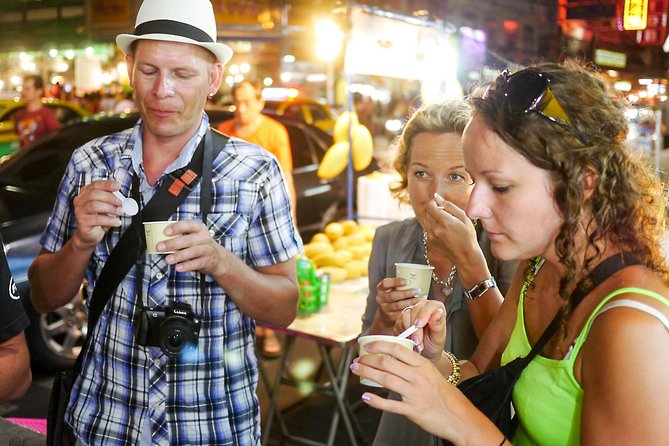
Thai ice cream provides a cool break after the savory dishes. The exact flavor can vary, but the itinerary includes a Thai ice cream tasting.
This is a short stop, yet it matters to the rhythm of the evening. The tour does not simply pile savory food on top of savory food. You get a sweet pause before the final dessert and a chance to reset your palate.
Because the stop is brief, do not expect a long sit-down dessert session. Think of it as part of the tasting sequence, not a separate ice cream outing.
Stop seven: black sesame dumpling in ginger soup
The final named food stop is a black sesame dumpling in ginger soup. It is a fitting close because it combines a sweet filling with the sharp warmth of ginger.
Black sesame has a nutty, earthy flavor, while ginger soup keeps the dish from feeling heavy. After noodles, seafood, pork, and dim sum, this dessert gives the meal a distinctly Chinese finish.
The dessert is also a reminder that Chinatown’s food culture includes more than savory street dishes. You see Chinese ingredients and methods carried into a Bangkok evening meal, with Thai influences appearing alongside them rather than replacing them.
Wat Tri Mitr and the story behind Yaowarat
Food is the main reason to book the tour, but the walking route adds useful context. Along the way, your guide shares stories about Chinatown’s origins and points out landmarks, including Wat Tri Mitr, the Temple of the Golden Buddha.
The temple stop helps place the food in its setting. You are not eating in an isolated cooking class or inside a shopping mall. You are moving through a district shaped by Chinese merchant communities and later Thai-Chinese life.
The tour does not present itself as a dedicated temple visit, so keep expectations realistic. Wat Tri Mitr is one of the landmarks along the route, not the main event. If your priority is detailed temple touring, you would need a separate visit. Here, the temple works as a cultural pause between food stops.
What the guides add to the evening
The guide’s role is more important than it may first appear. Chinatown can be confusing at night, with crowds, traffic, narrow streets, and many similar-looking food stalls. A local guide handles the route while you concentrate on the food.
Guides named G, Nudi, and Alice have led this experience. Their strengths include explaining Thai culture and Chinatown’s past, answering questions, and helping with practical issues. Nudi, for example, has helped with questions about using Grab, while G has assisted with the subway and guided the group through busy streets.
Those details point to the real value of a guided food walk. You are paying not only for tastings but also for someone who can make the district easier to read. A good guide can explain what you are eating, keep the group moving, and help you get back to public transportation.
The experience is described as private, meaning only your group participates. That can make the evening more flexible and personal than a large shared tour. The exact group size is not stated, so you should not assume it is limited to a particular number of people.
Is $58.70 good value?
At $58.70 per person, this is not the cheapest way to eat in Bangkok. You could order individual street dishes for much less if you already know where to go and what to choose.
The price makes more sense if you count the full package. You receive 12 tastings, enough food for a large dinner, bottled water, a licensed professional guide, local taxes, and a planned route through Chinatown. You are also paying to avoid guesswork and to learn the story behind the dishes.
I consider it good value for a first evening in Yaowarat, especially if you want food and orientation in the same outing. It is less appealing if you are confident ordering alone, have a narrow diet, or prefer to spend a full evening at one restaurant.
Group discounts are available, which may improve the price for a larger party. The tour is often booked about 26 days ahead, so reserve early if your Bangkok dates are fixed. The booking is non-refundable and cannot be changed after purchase, so check your schedule and food requirements carefully before paying.
Who should book this Chinatown food walk?
This tour suits you if you want a planned introduction to Bangkok street food without spending hours researching stalls. It is also a good fit for first-time visitors who want a local guide to explain Chinatown’s history, food customs, and transport connections.
You should be comfortable walking for about three hours and eating several small portions in an evening. Most people can participate, and the route is near public transportation, but the tour is not designed for anyone who cannot eat seafood.
Families, couples, and small private groups can all find value here, especially if everyone enjoys trying unfamiliar dishes. The private format also helps if your group wants to ask plenty of questions.
I would skip it if you need vegetarian, halal, or seafood-free food. I would also skip it if your main goal is a detailed temple tour, a cooking lesson, or a quiet fine-dining meal. This is a moving, food-focused look at Chinatown after dark.
Practical details that affect your choice
The tour starts at 6 pm and lasts about three hours. You meet at the Bangkok Centre Hotel near Hua Lamphong MRT, then walk into Chinatown and return toward the MRT station at the end.
Hotel pickup and drop-off are not included. Make your own way to the meeting point, and allow time to find the hotel entrance. The guide can help with the subway after the tour, but you are responsible for reaching the starting point.
Bring water if you need more than the included bottle, wear shoes suited to walking, and tell the operator about dietary needs when booking. Since the food list includes seafood, chili, bitter tea, pork, and unfamiliar ingredients, ask questions before tasting rather than after.
Should you book it?
Book this tour if you want a full dinner, local food guidance, and Chinatown context in one efficient evening. The pepper soup with crispy pork, Thai-sauced seafood, black sesame dumpling, and dim sum give you a broad taste of the district rather than one narrow specialty.
The best reason to choose it is the combination of food and practical help. A guide such as G, Nudi, or Alice can explain the dishes, lead you through busy streets, and help you understand the transport system afterward.
Do not book it if seafood is a problem or if you need vegetarian or halal choices. Also remember that the $58.70 price pays for convenience and guidance, not just the food itself. For a first Chinatown evening, that trade can be worthwhile. For an independent eater on a tight budget, ordering your own dishes may be the better deal.
FAQ
Where does the Bangkok Chinatown food tour start?
You meet at the Bangkok Centre Hotel, 328 Thanon Rama IV, near Hua Lamphong MRT station, at 6 pm.
How long does the tour last?
The walking tour lasts about three hours.
How many food tastings are included?
The experience includes tastings at 12 locations. The food is intended to provide enough for a large dinner.
Is hotel pickup and drop-off included?
No. Hotel pickup and drop-off are not included. The route begins near Hua Lamphong MRT and concludes with a walk back toward the station.
Is the tour suitable for vegetarians or people needing halal food?
No vegetarian or halal option is offered. The tour is also not suitable for people who cannot eat seafood.
What is included in the price?
The price includes the small-group walking tour, food tastings, bottled water, a professional licensed tour guide, and local taxes.
Can I cancel or change the booking?
No. The experience is non-refundable and cannot be changed for any reason after booking.
More Bangkok After Dark
- Bangkok:The Planet Sunset&Dinner Cruise on Chao Phraya River
★ 4.3 · 812 reviews - Bangkok: Night Bike Tour with Temples & Flower Market Visit
★ 4.8 · 751 reviews - Bangkok: Evening Tour with Wat Arun, Wat Pho & Tuk Tuk Ride
★ 4.6 · 701 reviews - Bangkok by Night Food Tour with 10+ Tastings in Chinatown
★ 5.0 · 545 reviews
More Food Tours in Bangkok
- Bangkok: White Orchid Chao Phraya Dinner Cruise free Beer
★ 4.4 · 4,573 reviews - Bangkok by Night: Temples, Markets and Food Tuk-Tuk Tour
★ 5.0 · 3,752 reviews - Bangkok: Backstreets Food Tour with 15+ Tastings
★ 4.9 · 2,880 reviews - Bangkok Midnight Food Tuk Tuk Tour
★ 5.0 · 2,542 reviews
Newly reviewed around Bangkok
- Twilight Firefly Bangkok Bicycle Tour★ 5.0 · 24 reviews
- Wonderful Pearl Cruise with Private Hotel Transfer★ 4.6 · 24 reviews
- Day Tour of Ayutthaya and Bang Pa In★ 5.0 · 3 reviews
- re:leaf spa and massage★ 4.0 · 10 reviews
- Bangkok: Wonderful Pearl Dinner Cruise at River City Pier★ 4.3 · 13 reviews
- Bangkok Half Day Guided Tour: Grand Palace, Wat Arun & Wat Pho★ 5.0 · 4 reviews
- Wonderful Pearl Dinner Cruise★ 3.5 · 27 reviews
- Yoga in the Park Thailand★ 5.0 · 12 reviews
Bangkok Street Food Tours, compared.

Bangkok Tuk-Tuk Tour by Night with Chinatown Street Food Meal
Read our review →
Bangkok Tuk-Tuk by Night with Chinatown Street Food Meal
Read our review →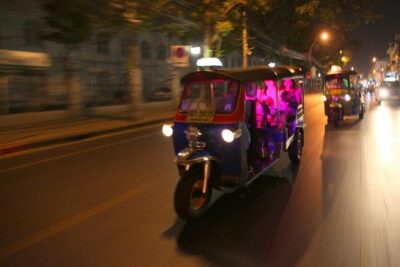
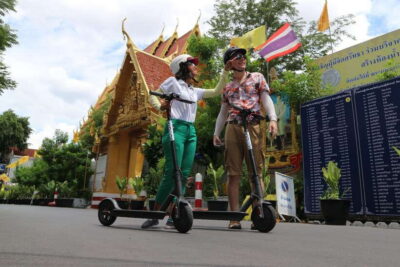
Riverside E-Scooter Adventure with StreetFood Snack
Read our review →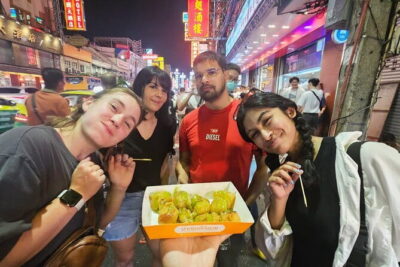
Bangkok Street Food Variety Cultures Local Tasty
Read our review →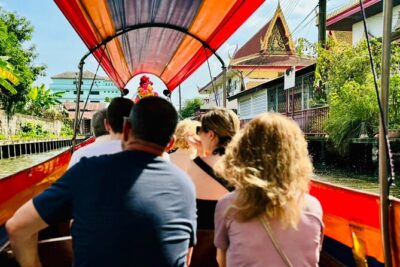
Bangkok 3-in-1 Tour: Longtail Boat,TukTuk & Street Food Adventure
Read our review →Browse the lists this tour appears in